


Uncategorized
What Noninvasive Body Sculpting Can Really Do
Aug
A stubborn area can feel frustrating when the rest of your routine is already in place. You may be eating mindfully, moving regularly and taking care of your skin, yet still notice fullness around the abdomen, thighs, arms or waistline. Non-invasive body sculpting is designed to support those concerns without surgery, general anaesthetic or a lengthy recovery period.
It is not a shortcut for significant weight loss, and it should never be presented as one. Its value lies in a more considered goal: supporting body contour, encouraging a smoother-looking silhouette and helping you feel more comfortable in your clothes and in your own skin. For many people in Singapore managing full workdays, family commitments and limited downtime, that balance of visible care and convenience is precisely the appeal.
What is non-invasive body sculpting?
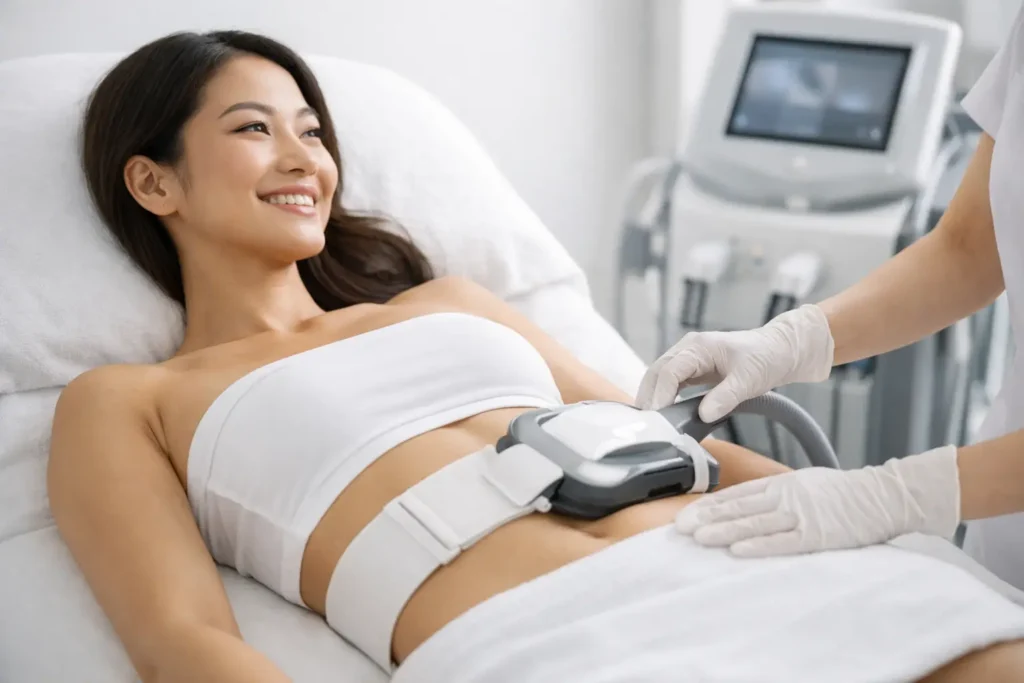
Non-invasive body sculpting refers to treatments performed on the surface of the body to support contouring goals without incisions, needles or surgical removal of fat. Depending on the treatment approach, technology and therapist-led techniques may be used to target areas of concern, stimulate circulation, support lymphatic flow or create a warming, cooling or pulsing sensation within the treatment area.
The experience varies. Some sessions feel deeply relaxing, especially when massage-based techniques are part of the treatment. Others may feel more active, with warmth, gentle pressure or a light tingling sensation. A professional consultation should always come first, so your therapist can explain what the treatment involves, how it is expected to feel and whether it suits your health profile.
The most satisfying results often come from treating body sculpting as part of regular body care rather than a one-off fix before an event. Just as a facial may be maintained for hydration and radiance, body treatments tend to work best when supported by consistent appointments and sensible everyday habits.
What body sculpting treatments can help with
The right treatment plan depends on your concern, your lifestyle and the condition of the area being treated. Some clients are focused on a particular contour around the midsection or thighs. Others are seeking support for a feeling of heaviness, water retention or a less defined appearance after a period of stress, travel or reduced activity.
A well-planned body treatment may support a more refined-looking shape, smoother-looking skin and a greater sense of lightness. Massage-led methods can also be especially appealing when muscle tension and fatigue are part of the picture. For clients who spend long hours sitting at a desk, wellness-focused body care can offer both aesthetic support and a welcome moment to reset.
It is helpful to separate contouring from weight management. The number on the scale may not change meaningfully after a body sculpting programme. Instead, progress is often noticed in subtle but valuable ways: a waistband sits more comfortably, an area looks firmer in photographs, or you feel more confident wearing a fitted dress or tailored trousers.
The technologies and techniques behind the experience
Body sculpting is not one single treatment. Different methods have different purposes, and a reputable provider should be clear about which method is being recommended and why.
Some advanced treatments use controlled energy, such as radiofrequency, ultrasound or electrical muscle stimulation, to support contouring and skin appearance. These treatments are generally chosen for specific concerns and require suitable settings, trained practitioners and realistic expectations. Results can differ based on the individual, the area treated and the number of sessions completed.
Massage and meridian-inspired body therapies take a more hands-on wellness approach. They may focus on circulation, relaxation, tension release and a temporary reduction in puffiness. Treatments such as body Bojin or Meridian Body Detox Treatment can be particularly suitable for clients who want their body-care appointment to feel restorative as well as results-focused.
Neither approach is automatically better. A technology-led session may be appropriate when you have a focused contouring objective, while massage-based care may suit someone whose concerns are closely linked to fatigue, tightness or a sense of sluggishness. In some cases, a therapist may recommend a programme that combines methods thoughtfully over several visits.
Who is a good candidate?
Non-invasive body sculpting is generally best suited to adults who are close to their preferred weight and would like support with localised areas that do not respond as quickly as they would like to diet and exercise. It can also suit those who prefer gradual refinement over dramatic change and who value being able to return to normal activities soon after an appointment.
A good candidate is also willing to be patient. Bodies do not change on command, and treatment results are influenced by age, hormones, sleep, stress, activity levels, hydration and natural body composition. A consultation that promises a dramatic transformation after one session should prompt caution.
Certain health conditions, implanted medical devices, pregnancy, recent surgery, skin irritation or circulation concerns may mean a treatment needs to be postponed or avoided. Be open about your medical history, medication and any previous aesthetic procedures. This is not a formality – it helps your therapist recommend care that is comfortable and appropriate for you.
What to expect before, during and after treatment
Your first appointment should begin with a conversation rather than an assumption. You should have the opportunity to discuss the area you would like to address, your preferred outcome, your lifestyle and any health considerations. A thoughtful therapist may also ask about your water intake, exercise routine, work pattern and whether you experience regular swelling or muscle tension.
During treatment, comfort matters. You may be asked to lie in a relaxed position while the therapist works on the selected area or applies a treatment device. Sensations should be explained in advance. If anything feels overly intense, painful or simply worrying, say so immediately. Professional care is responsive care.
Afterwards, many non-invasive treatments allow you to continue your day with minimal disruption. You may notice temporary redness, warmth, tenderness or a feeling that the area has been worked on, depending on the method used. Follow the aftercare advice given to you, which may include drinking sufficient water, avoiding excessive heat for a short period or maintaining gentle movement.
Taking progress photographs under the same lighting and in similar clothing can be more useful than judging results day by day. Small changes can be difficult to see when you look at yourself constantly, while consistent photos and fit of clothing may offer a clearer perspective over time.
How to make your treatment plan worthwhile
The treatment room is only one part of the experience. Your daily choices influence how you feel in your body and how well you maintain the benefits of regular care. There is no need for extreme restriction or punishing workouts. Consistency is more helpful than intensity that cannot be sustained.
Aim to stay well hydrated, particularly if your treatment plan includes massage or detox-style body therapies. Build regular movement into your week in a way you genuinely enjoy, whether that is walking, swimming, Pilates, strength training or dancing. Sleep also deserves more attention than it usually receives: poor rest can affect energy, appetite and the way the body holds stress.
It also helps to book with a purpose. If you have an upcoming occasion, begin early enough to allow for a measured programme rather than trying to squeeze several appointments into the final week. If your goal is ongoing maintenance, discuss a realistic appointment rhythm that fits around work and family life.
At Eros Beauty and Wellness, the most meaningful recommendation should feel personal, never pressured. A body treatment plan should take account of your goals while leaving room for comfort, questions and an honest understanding of what is achievable.
Choosing a body sculpting provider in Singapore
Look beyond promotional language and ask practical questions. What type of treatment is being used? Who will perform it? What sensations and after-effects are normal? How many sessions may be recommended, and what result is realistic for your starting point? Clear answers are a sign of a service-led provider.
The environment matters too. Body treatments are personal, so you should feel at ease discussing concerns that may have affected your confidence for years. Choose a place where therapists listen without judgement, explain procedures plainly and respect your decision-making process.
A body sculpting appointment can be a useful part of your self-care routine when it is chosen for the right reasons. Let the goal be not perfection, but a more cared-for, comfortable and confident relationship with your body – one appointment, and one sustainable habit, at a time.