


Uncategorized
Facial Lymphatic Drainage for a Fresher Look
Sep
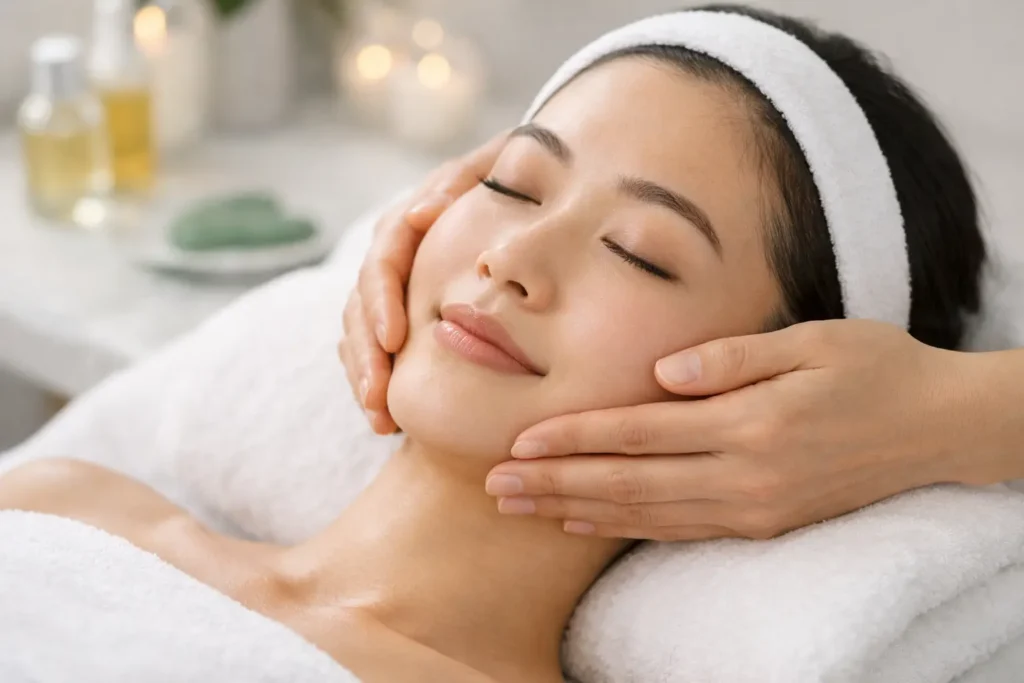
A face that feels puffy in the morning can make even well-rested skin look tired. Facial lymphatic drainage offers a gentle, considered way to support a fresher-looking complexion, particularly when fluid retention, stress, late nights, salty meals or long hours indoors leave the face appearing less defined.
This is not about forcing dramatic change in one appointment. It is a light-touch technique designed to encourage the movement of excess fluid towards the lymph nodes, while creating a calm, cared-for moment for your skin and senses. For many people, the immediate appeal is simple: the face can look less swollen, more rested and more naturally radiant.
What Is Facial Lymphatic Drainage?
The lymphatic system is part of the body’s natural fluid-management and immune-support network. Lymph vessels collect excess fluid from tissues and guide it through lymph nodes, where it is filtered before returning to circulation. Unlike the heart, the lymphatic system does not have its own central pump. Movement, breathing and gentle manual techniques all play a part in supporting normal flow.
Facial lymphatic drainage uses slow, feather-light strokes in a specific direction, generally guiding fluid from the centre of the face outwards and down towards drainage points around the ears, jawline, neck and collarbone. It should not feel like deep kneading. In fact, too much pressure can work against the purpose of the treatment by irritating the skin or compressing delicate superficial vessels.
In a beauty setting, this technique is often incorporated into a professional facial. It may sit alongside cleansing, exfoliation, hydration and a relaxing facial massage, creating an experience that addresses both visible dullness and the tension held around the forehead, jaw and temples. While it can complement a well-designed skincare routine, it is not a medical treatment for lymphatic disorders.
Why Puffiness Can Change Your Facial Appearance
Facial puffiness is common, temporary and influenced by far more than skincare. Sleep position, hormonal changes, alcohol, dehydration, high-sodium meals, allergies, sinus congestion and prolonged screen time can all affect how the face looks from one day to the next. Some people notice it most around the eyes; others see a softer jawline or fullness through the cheeks.
A gentle drainage-focused massage may help when that puffiness is related to ordinary, short-term fluid retention. The effect is usually subtle but pleasing: features can appear more awake, and the skin may take on a smoother, more even-looking finish. The combination of touch, rest and a professional facial can also ease the sense of tightness that often accompanies a busy week.
Results depend on the individual. Someone experiencing morning puffiness before an event may notice a visible difference after one session. For concerns linked to ongoing allergies, medication, illness or persistent swelling, the outcome may be limited and should never replace appropriate medical advice. Honest expectations are part of good beauty care.
What to Expect During a Facial Lymphatic Drainage Treatment
A thoughtful treatment begins with a consultation. Your therapist should ask about your skin condition, current concerns, recent aesthetic procedures and any health issues that may affect whether massage is suitable. This allows the facial to be tailored to your comfort, whether your priority is hydration, relaxation, congestion support or a more refreshed appearance.
After the skin is cleansed, the therapist may begin around the neck and collarbone before moving to the face. This sequence is intentional: it prepares the pathways that fluid is naturally guided towards. The movements are rhythmic and light, with gentle sweeping strokes around the jaw, cheeks, eye area and forehead.
You should feel relaxed, not sore. A skilled therapist adjusts their touch around sensitive areas and avoids dragging the skin. Depending on the facial selected, the massage may be followed by targeted serums, a soothing mask or products chosen to support hydration and comfort.
At Eros Beauty, a personalised facial consultation can help identify whether a relaxation-focused facial massage, classic facial care or a treatment approach combining skin nourishment and wellness support is the better fit. The aim is never to overwhelm the skin, but to provide care that feels restorative and leaves you looking well looked-after.
Facial Lymphatic Drainage at Home: Keep It Gentle
A short home massage can be a pleasant addition to your morning or evening routine, especially when paired with a moisturiser or facial oil that gives enough slip. Clean hands and light pressure matter more than elaborate tools or forceful techniques.
Begin by taking a few slow breaths and relaxing your shoulders. Then use soft strokes from the centre of the chin towards the ears, from the sides of the nose across the cheeks, and from the brow area towards the temples. Finish with gentle downward strokes along the sides of the neck towards the collarbone. A few minutes is enough.
Do not press hard in pursuit of a sharper-looking jawline. Lymphatic drainage is not contouring, and aggressive rubbing can leave delicate skin red or irritated. Facial rollers and gua sha tools may feel soothing, but they are optional rather than essential. Clean technique, consistency and suitable skincare products make the greater difference.
When to Pause and Seek Professional Advice
Facial massage is not right for every situation. Avoid it over active acne lesions, open skin, sunburn, a current skin infection or a cold sore. It is also sensible to wait if you have recently had injectables, threads, surgery, laser treatments or other advanced aesthetic procedures, unless your treating practitioner has confirmed that massage is appropriate.
Speak to a doctor before receiving facial lymphatic drainage if you have a diagnosed lymphatic condition, blood-clotting concerns, uncontrolled heart or kidney conditions, an active infection, or unexplained swelling. Sudden, painful, one-sided or persistent facial swelling deserves medical assessment rather than a salon treatment.
Pregnancy, allergies and highly reactive skin do not automatically rule out a facial, but they do make a detailed consultation more valuable. A reputable therapist will be comfortable adapting the treatment, changing products or advising you to postpone when needed. Careful service is always more valuable than a one-size-fits-all approach.
How Often Is It Worth Having?
For everyday maintenance, many clients enjoy a drainage-focused facial as part of a regular monthly facial routine. If you have an important occasion, arranging a session a few days beforehand may be more comfortable than trying a new treatment on the day itself. Those who enjoy the relaxation element may also use occasional appointments as a reset during demanding periods.
The best frequency depends on your skin, lifestyle and goals. Regular hydration, sun protection, balanced sleep and a manageable home routine will do more for long-term skin quality than any single massage. Professional facials work best as supportive care within that wider picture.
A gentler face is often the result of gentler habits: adequate rest, thoughtful skincare and time set aside to release the tension you carry. When puffiness is temporary and your skin needs a calm refresh, facial lymphatic drainage can be a beautifully simple place to begin.