


Uncategorized
Bojin Therapy Versus Gua Sha for Your Skin
Sep
A face can look tired long before it feels tired. Hours at a desk, a restless night, jaw clenching, air-conditioning and Singapore’s humidity can all leave the complexion looking puffy or less defined. When comparing bojin therapy versus gua sha, the useful question is not which technique is better in every situation. It is which type of pressure, purpose and treatment experience suits your skin and how you are feeling that day.
Both treatments use traditional-inspired massage principles to encourage relaxation and support a fresher-looking complexion. Yet they are performed differently. Bojin tends to be more targeted and treatment-led, while gua sha is often gentler, broader and easier to include in a home-care ritual.
What is Bojin therapy?
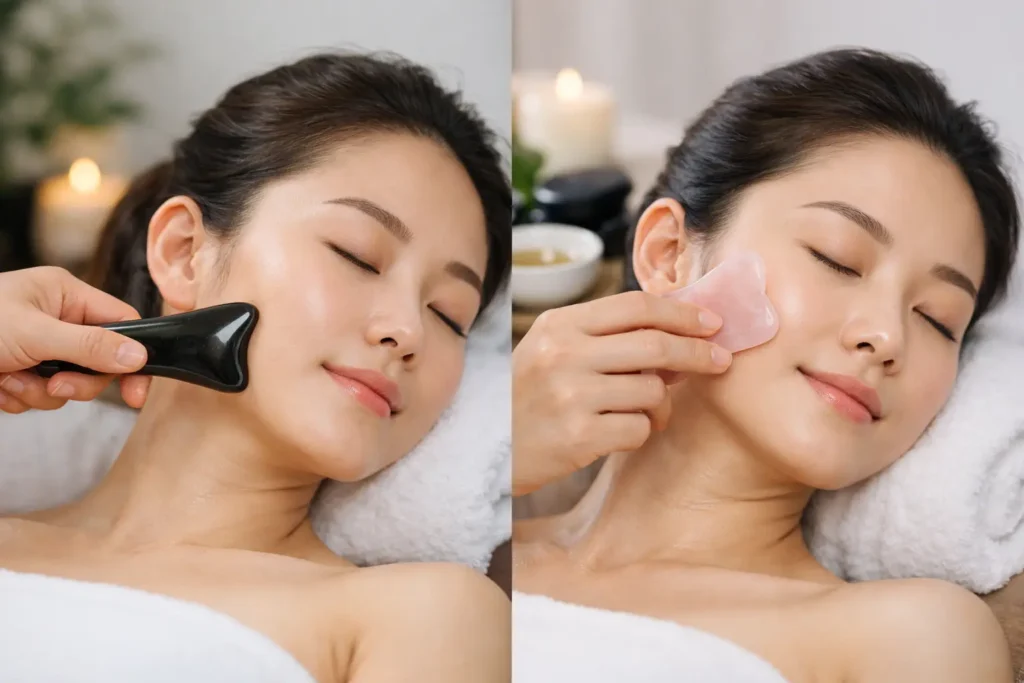
Bojin therapy is a massage technique commonly associated with meridian-based wellness traditions. A trained therapist uses a smooth, shaped tool, often made from horn, stone or another polished material, to apply measured pressure and gliding strokes along selected areas of the face, neck, shoulders or body.
In a facial setting, the focus may include areas that commonly hold tension: the forehead, brow bone, temples, jawline, cheeks and neck. The strokes are usually more deliberate than a light facial massage. Depending on the treatment plan, Bojin may be combined with cleansing, exfoliation, masks, hydration care or other professional facial steps.
The sensation varies. Some clients find it deeply relaxing, particularly when facial tension has built up around the jaw and temples. Others notice tender points during the first few sessions, especially if they have been clenching their teeth, sleeping poorly or carrying stress through the shoulders. It should feel purposeful, never unbearably painful. A professional therapist can adjust the pressure, pace and areas of focus throughout the session.
What is gua sha?
Gua sha uses a flat, curved tool that is swept across the skin with an oil, serum or moisturiser to provide slip. On the face, it is generally performed with light, outward and upward movements. The ritual is popular for its calming quality and for the temporary refreshed appearance that can follow a gentle massage.
Facial gua sha is very different from the stronger body gua sha sometimes used in traditional bodywork. Facial skin is delicate, and vigorous scraping is not the goal. A careful technique should avoid dragging the skin or leaving the face bruised. In most home routines, gua sha takes only a few minutes and works best as a consistent act of self-care rather than a one-off solution.
Because it is accessible, gua sha can be a pleasant companion to a morning skincare routine or an evening wind-down. It may help a person feel more relaxed and can create a short-term look of reduced puffiness after gentle massage. However, it cannot replace professional assessment for persistent swelling, skin conditions or pain.
Bojin therapy versus gua sha: the key differences
The clearest difference lies in the depth and intent of the technique. Bojin therapy is usually carried out by a trained therapist and can involve firmer, more precise work on areas of facial or body tension. Gua sha, particularly facial gua sha, is normally a lighter practice designed for gentle massage at home or as part of a facial.
Bojin is also more easily personalised in a treatment room. Your therapist can observe where your face feels tight, whether your neck and shoulders are contributing to that tension, and how your skin responds during the appointment. This makes it appealing for clients who want a more focused wellness experience, rather than simply adding another step to their bathroom routine.
Gua sha has the advantage of convenience. Once you understand the basics and use a clean tool with sufficient product slip, it can be repeated regularly at home. The cost per use is low, and the ritual gives you a quiet moment to slow down. The trade-off is that home techniques are less tailored, and pressing too hard or using the wrong angle may irritate the skin rather than comfort it.
Neither method should be judged solely by how dramatic the immediate result looks. A temporary glow or less puffy appearance can be welcome, but healthy-looking skin also depends on sleep, hydration, sun protection, a suitable skincare routine and professional care when needed.
Choose Bojin if you want targeted professional care
A Bojin facial may suit you if your main concern is facial tension, a tight jaw, a dull-looking complexion after stressful weeks, or the desire for a more intensive hands-on treatment. It can also be a thoughtful choice before an occasion when you would like time to rest, reset and leave looking refreshed.
Professional Bojin is particularly valuable for people who are unsure how much pressure is appropriate. Instead of following a generic online routine, you can explain your comfort level, skincare concerns and preferred outcome. A therapist can then keep the experience restorative while working within your skin’s tolerance.
At Eros Beauty, a Bojin Facial can be considered as part of a wider beauty and wellness routine, especially for clients who enjoy treatment care that addresses both complexion comfort and everyday stress.
Choose gua sha if you want a simple maintenance ritual
Gua sha may be the better fit if you enjoy looking after your skin at home and want a gentle massage step between facial appointments. It works best with a streamlined approach: clean hands, a clean tool, a hydrating product that allows the tool to glide, and very light pressure.
Keep your expectations practical. Think of gua sha as maintenance and a moment of care, not a way to reshape bone structure or permanently lift the face. Regular, gentle use can feel soothing and may complement a consistent skincare routine, but results will vary with skin type, technique and lifestyle.
What treatment feels better for sensitive or mature skin?
Sensitive and mature skin does not automatically rule out either option, but gentleness matters more. If your skin is easily reactive, flushes readily or has a compromised barrier, tell your therapist before any treatment. A professional can use lighter pressure, avoid inflamed areas and select skincare products with your comfort in mind.
For home gua sha, avoid using the tool over active breakouts, eczema flares, sunburn, open skin, unexplained rashes or areas that are sore. Skip it after strong exfoliation or procedures unless your provider has advised otherwise. The same caution applies to Bojin therapy: treatment should be postponed or adapted when the skin is irritated or healing.
If you use prescription skincare, have had recent injectables, cosmetic procedures, a blood-clotting condition or take blood-thinning medication, seek guidance from a qualified medical professional before trying firm facial or body massage. Wellness treatments should support your comfort, not ask you to push through warning signs.
How to get more from either treatment
For a professional Bojin session, arrive ready to share what you need. Mention areas of tightness, recent sensitivity, your usual skincare products and whether you prefer light or firmer massage. Good treatment care is collaborative, and clear feedback helps your therapist make the session more effective and comfortable.
For gua sha at home, use it after applying a suitable facial oil, serum or moisturiser. Hold the tool almost flat against the skin and sweep slowly rather than scraping. A few light passes are enough. Washing the tool after every use is essential, particularly if you are prone to congestion.
Most importantly, avoid treating either practice as a test of endurance. Redness, soreness and bruising are not proof that a facial technique has worked. The best session leaves you feeling cared for, with skin that looks calm and comfortable.
Your choice can change with the season, your schedule and the condition of your skin. Reserve Bojin for the days you need expert, targeted attention, and keep gua sha for the small, steady rituals that remind you to take time for yourself.