


Uncategorized
MTM Bojin Body Therapy for Tension Relief
Sep
A stiff neck after laptop hours, heavy shoulders after a long commute, or legs that feel tired before the day is over can make rest feel less restorative than it should. MTM Bojin Body Therapy is a focused body wellness approach designed for these familiar signs of accumulated tension, combining purposeful massage with meridian-inspired techniques to help the body feel lighter, warmer and more at ease.
Rather than treating relaxation as an occasional luxury, this therapy frames it as part of regular body maintenance. For busy adults balancing work, family and personal commitments, making time for targeted care can be a practical way to reconnect with how the body feels and what it needs.
What is MTM Bojin Body Therapy?
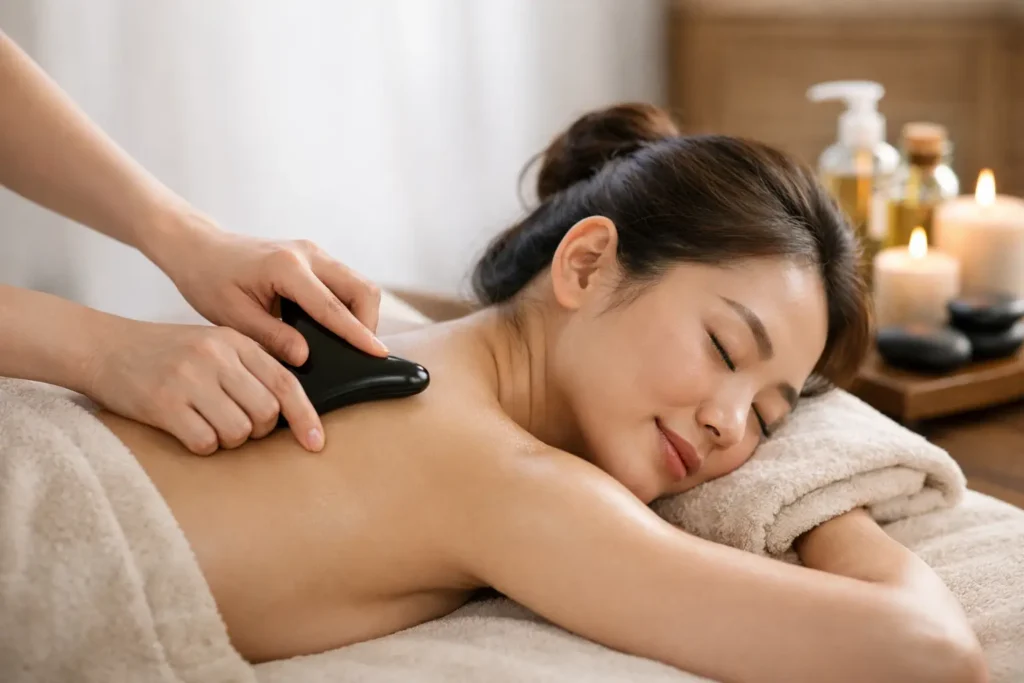
Bojin is a bodywork technique rooted in traditional Chinese wellness principles. It commonly focuses on areas associated with meridian pathways, using steady manual pressure and, in some treatments, a smooth Bojin tool to work across muscles and soft tissue. The intention is not simply to provide a light, soothing massage. It is to address areas that feel congested, tight or fatigued with measured, therapist-led attention.
The MTM element may be described differently by different providers, so the exact protocol can vary. A professional session should begin with an understanding of your concerns, whether that is shoulder tightness, a tired lower back, sluggish-feeling legs or general stress held in the body. From there, the therapist can tailor the pressure, treatment areas and pace to your comfort level.
The sensation is often more focused than a relaxing oil massage. Some sections may feel tender, particularly where tension has built up over time, while other areas can feel deeply calming. Good therapy is never about enduring excessive discomfort. Clear communication allows your therapist to adjust pressure so the treatment remains effective and comfortable.
Why tension can build up so quickly
Muscle tension is rarely caused by one thing alone. Long periods of sitting, looking down at a phone, carrying a work bag on one side, disrupted sleep and emotional pressure can all contribute to a body that feels tight and depleted. In Singapore’s fast-paced urban routine, many people only notice the strain when their shoulders start feeling raised, their movement becomes restricted or they struggle to switch off at night.
A body therapy session cannot replace medical care, good posture or regular movement. However, it can complement healthy habits by creating dedicated time for the body to release and recover. The warmth and hands-on attention of Bojin-style work can help you become more aware of patterns you may otherwise ignore.
For some guests, the immediate benefit is a sense of relief through the neck, upper back or legs. Others value the slower, calmer feeling that follows a proper session. Results depend on the individual, including daily activity, existing tension, hydration and how regularly they receive care.
What happens during an MTM Bojin Body Therapy session?
A thoughtful session should feel personalised from the beginning. Before treatment, share relevant information with your therapist, including areas of discomfort, recent injuries, sensitivity to pressure and any health considerations. If you are unsure whether bodywork is suitable for you, it is always sensible to seek medical advice first.
The treatment usually begins by settling the body and assessing where tightness is most noticeable. The therapist may use massage strokes to warm the area before applying focused pressure along selected body zones. Depending on the service, this may include the shoulders, back, waist, arms, hips or legs.
Bojin tools, where used, are handled with controlled movements rather than harsh scraping. The aim is to work with the body’s contours and soften the feeling of tightness in the tissues. You may notice temporary redness or tenderness afterwards, especially if you are new to deeper bodywork. This is one reason a trained therapist should always explain what to expect and check in with you throughout the session.
At Eros Beauty and Wellness, body wellness treatments are approached with comfort and clear guidance in mind. A good experience is not rushed. It gives you room to relax, ask questions and leave with a better understanding of how to care for your body between appointments.
How should you feel afterwards?
Many people describe feeling looser and less weighed down, particularly around areas that were holding tension. Some may feel pleasantly sleepy or thirsty after a deeper session. It is wise to drink water, avoid overly strenuous exercise immediately afterwards and allow yourself a quieter evening if possible.
If you experience unusual or persistent pain, significant bruising, dizziness or a reaction that concerns you, seek appropriate medical advice. Wellness therapy should support your comfort, not leave you worried about how you feel.
Is Bojin body therapy right for you?
MTM Bojin Body Therapy may suit those who prefer a more purposeful treatment than a purely gentle relaxation massage. It can be especially appealing if your body often feels tense from desk work, frequent travelling, standing for extended periods or a demanding routine. Guests who enjoy structured self-care often include body therapy alongside facials, home skincare and regular rest as part of their wider wellness routine.
That said, deeper pressure is not ideal for everyone at every time. You should postpone treatment and consult a healthcare professional if you have an acute injury, fever, unexplained swelling, active skin irritation, certain circulatory concerns or a medical condition that may be affected by massage. Those who are pregnant, recovering from surgery or taking medication that affects bruising should obtain professional advice and inform the therapist before booking.
There is no benefit in choosing an intensity that does not suit you. A gentler approach, shorter treatment or focus on specific areas may be the better choice, especially for a first appointment. Effective care is responsive care.
Getting more from your body wellness routine
The value of a session often extends beyond the treatment room when it is supported by small daily habits. Gentle stretching after waking, changing position regularly during work and taking a few unhurried breaths before bed can reduce the sense of constant physical bracing. Even a brief walk can help break up long periods of inactivity.
Regularity matters more than pushing through one intensive session and then waiting until discomfort becomes overwhelming. Some guests book body therapy during particularly demanding periods, while others treat it as a monthly maintenance ritual. The right frequency depends on your body, lifestyle and budget, as well as how you respond to treatment.
When booking, be specific about what you hope to feel afterwards. You may want easier movement through the shoulders, a lighter sensation in the legs or simply a calm hour away from daily demands. This helps your therapist recommend a suitable treatment and makes the experience feel more considered from start to finish.
Taking time for your body is not an indulgence reserved for special occasions. When tension becomes part of the daily routine, a carefully tailored therapy can be a meaningful pause – one that reminds you to move, rest and care for yourself with greater intention.