


Uncategorized
Does Sculpting Hurt? What Your Treatment Should Feel Like
Sep
A body contouring appointment should not feel like something you have to endure for beauty. If you are asking, does sculpting hurt, the honest answer is that the sensation depends on the treatment, the area being worked on, and your own sensitivity on the day. Some pressure, warmth, pulling or a firm massage-like feeling can be expected. Sharp pain, burning, numbness or discomfort that makes you tense up is not something to ignore.
At Eros Beauty, comfort and visible care go together. A well-planned sculpting session is not about pushing through pain. It is about selecting an approach that suits your body, explaining what you may feel, and adjusting the treatment so you can relax into your self-care time.
Does Sculpting Hurt During a Body Treatment?
“Body sculpting” can describe several treatments designed to support body conditioning, circulation, lymphatic flow, muscle relaxation or a more refined-looking silhouette. Because the techniques and technologies vary, so does the sensation.
Hands-on treatments, such as firm massage, meridian-based work or Body Bojin, may feel deeper than a relaxing massage. A therapist may use measured pressure around areas where you hold tension, such as the shoulders, waist, hips, thighs or calves. You might notice tender points, particularly if you sit for long hours, exercise regularly, have poor sleep, or are feeling fatigued.
That tenderness should remain manageable. Many clients describe it as a “good ache” that eases as the area relaxes, rather than a sharp or alarming pain. Let your therapist know straight away if the pressure feels too intense. More pressure does not automatically mean better results. The right pressure is the one your body can respond to comfortably.
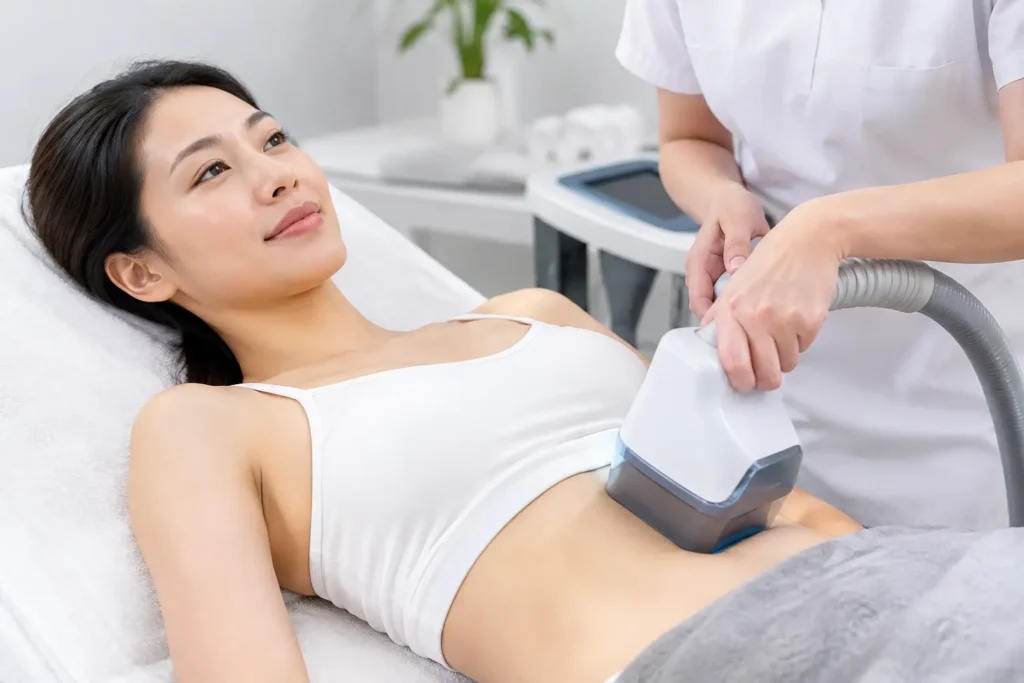
Technology-led body treatments can create a different experience. Depending on the treatment method, you may feel gentle heat, pulses, suction, vibration or a tingling sensation. These sensations should be clearly explained before the session begins. A trained therapist will check in throughout the treatment and adjust settings where appropriate.
Facial Sculpting Can Feel Firm, Not Harsh
Facial sculpting treatments often combine targeted massage, lifting techniques, skincare and tools to support a refreshed, more defined appearance. Face Bojin and similar pressure-point techniques may feel more focused around the jawline, cheekbones, temples and forehead, especially when facial tension has built up.
For some people, the jaw and temple area can be surprisingly sensitive. This is common if you clench your teeth, spend long days looking at screens, or are carrying stress in your face. You may feel a brief tenderness as specific points are worked on, followed by a lighter, more relaxed sensation.
A facial should never leave you feeling that your skin has been aggressively handled. Redness can occur temporarily after massage or active treatment steps, but it should be mild and monitored. If you have very sensitive skin, rosacea, active breakouts, recent aesthetic procedures or a compromised skin barrier, tell your therapist before treatment. Your facial can then be tailored with gentler techniques and suitable products.
Why One Person Feels More Than Another
Pain is personal. Two clients can receive the same treatment and describe it completely differently. Your sensitivity may change from week to week depending on hydration, stress, sleep, menstrual cycle, activity level and general health.
Areas with tight muscles or reduced circulation may feel more tender during a body wellness treatment. Skin that is dehydrated or irritated may also be less comfortable during a facial. If you are new to sculpting, you may simply need time to become familiar with the sensations.
It also matters which type of sculpting you mean. A relaxing massage-focused session and an intensive body conditioning treatment are not designed to feel identical. Your therapist should set realistic expectations, including how firm the treatment may feel and what after-effects are normal for your chosen service.
What Is Normal After Sculpting?
After a facial or body sculpting appointment, it is common to feel relaxed, warm, slightly sleepy or more aware of the treated area. Following a deeper massage-style session, mild tenderness can occur for a day or two, much like the feeling after using muscles you have not worked in a while.
You may also notice temporary redness where massage or tools have stimulated the skin. Drinking water, avoiding strenuous activity immediately after an intensive body session, and giving yourself time to rest can help you feel your best.
A reputable provider will give aftercare guidance that fits the treatment you have received. This is particularly valuable when your appointment includes advanced beauty technology, active skincare or a stronger body therapy approach.
When Discomfort Is a Sign to Pause
There is a clear difference between productive pressure and pain. Speak up immediately if you experience sharp, shooting or burning pain; persistent numbness; dizziness; unexpected swelling; bruising that appears excessive; or skin that feels intensely hot or irritated.
You should also tell your therapist about any medical conditions, recent surgery, pregnancy, skin infections, allergies, implanted devices or medication that may affect your suitability for a treatment. Sculpting treatments are not one-size-fits-all, and a proper consultation protects both your comfort and your results.
If discomfort continues after you leave, or you are concerned about an unusual reaction, seek advice from an appropriate healthcare professional. Beauty and wellness treatments should support your wellbeing, never leave you worried about it.
How to Make Your Sculpting Session More Comfortable
The best experience begins before the treatment starts. Arrive with enough time to settle in rather than rushing from work or errands. Wear comfortable clothing for a body appointment and avoid booking a very intensive session on a day when you already feel unwell or exhausted.
Be open during your consultation. Mention whether you prefer lighter pressure, whether you are sensitive around particular areas, and whether you have had a poor experience elsewhere. These details help your therapist personalise the session from the beginning.
During treatment, use simple, direct feedback. You can say, “Could you reduce the pressure slightly?”, “This side feels more tender,” or “The heat is becoming too strong.” A professional therapist welcomes this information. It allows them to care for you properly rather than guess what you are feeling.
For regular maintenance, consistency is often more beneficial than occasional overly intense sessions. A considered plan of facials, Meridian Massage, body wellness treatments and supportive home care can help you maintain your skin and body condition without turning self-care into an uncomfortable challenge.
Choosing a Treatment That Feels Right for You
If your priority is relaxation and fatigue relief, a Relaxing Massage or gentler facial may be a better starting point than a deeper pressure-based treatment. If you are seeking body conditioning support or have persistent areas of tension, your therapist may recommend a more targeted approach, introduced at a level you can tolerate.
Do not feel pressured to choose the strongest option. The most suitable treatment is based on your goals, your current condition and how your body responds. Comfort is not a luxury add-on. It is part of receiving thoughtful, professional care.
A sculpting treatment should leave you feeling cared for, not challenged to prove your tolerance. Take time to share your concerns, listen to your body during the session, and choose a therapist who treats your comfort as seriously as your beauty and wellness goals.