


Uncategorized
Facial Skin Care Treatments That Work
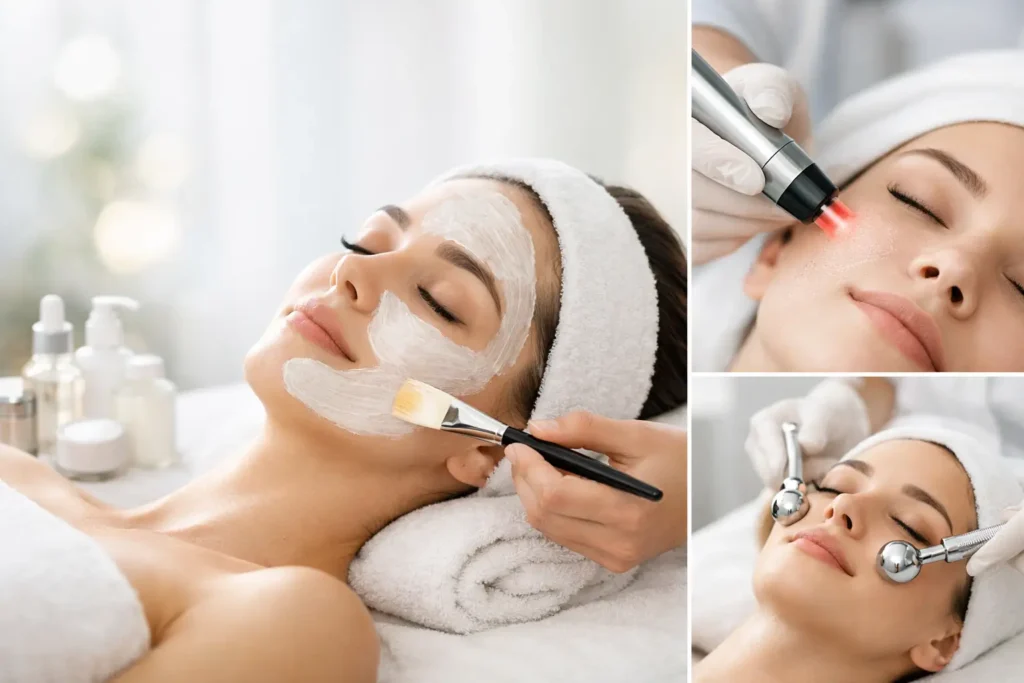
Jun
A good facial should do more than feel relaxing for an hour. The right facial skin care treatments can help calm breakouts before they escalate, restore dehydration caused by air-conditioning and city life, and support firmer, brighter skin over time. For many women balancing work, family and a packed schedule, that balance matters – you want visible results, but you also want treatments that feel comfortable, well explained and worth returning for.
Why facial skin care treatments matter
Skin rarely has just one concern. A complexion can be dehydrated and oily at the same time, sensitive around the cheeks yet congested through the T-zone, or smooth in texture but beginning to lose elasticity. That is why facial skin care treatments are most effective when they are chosen for your skin condition, not simply because a treatment is popular.
Professional facials can support what home care cannot always do on its own. Deep cleansing, careful exfoliation, massage techniques and device-led treatments all work differently. Some are designed to refresh and maintain healthy skin. Others are more targeted, helping with concerns such as dullness, enlarged pores, uneven tone, early signs of ageing or skin that looks tired and stressed.
The key is consistency and suitability. One treatment may give a lovely glow before an event, but long-term improvement usually comes from regular sessions and a home routine that supports the same goal.
Choosing facial skin care treatments for your skin goals
There is no single best facial for everyone. The right choice depends on how your skin behaves day to day, how much downtime you are comfortable with and what result you want to see first.
If your main concern is dryness or a dull, tight feeling, hydrating facials are often the most rewarding place to begin. These treatments focus on replenishing moisture, softening surface roughness and helping the skin look fresher and more supple. They are particularly helpful for skin exposed to indoor cooling, frequent makeup wear and environmental stress.
If congestion, blackheads or recurring breakouts are more familiar, classic deep-cleansing facials tend to be a practical option. A well-performed treatment can remove build-up, clear blocked pores and reduce that heavy, uneven texture that makes skin look less refined. That said, overdoing strong extractions or harsh exfoliation can leave reactive skin feeling sensitised, so the therapist’s technique and judgement matter.
For skin that looks tired or less firm, treatments focused on circulation, lifting massage and advanced technology can be worthwhile. These approaches support a more sculpted look, improve product absorption and help skin appear more energised. Results can be especially noticeable when the treatment is paired with a routine that includes hydration and sun protection.
Popular treatment types and what they do
Classic facial treatments
A classic facial remains a strong choice because it covers the essentials well. Cleansing, exfoliation, steam or softening steps, extractions where suitable, massage and a treatment mask can all be tailored to the skin’s condition on the day. This makes it a dependable option for maintenance, first-time facial clients and anyone who wants regular care without moving straight into more intensive treatments.
Classic facials are also useful because they give your therapist a clearer picture of your skin over time. If your skin is changing due to stress, hormones, travel or age, a classic treatment can be adjusted more easily than a highly fixed protocol.
Massage-led facials
Face massage techniques, including treatments inspired by pressure-point and meridian work, appeal to clients who want both visible freshness and a strong sense of release. These treatments can help reduce puffiness, encourage circulation and ease facial tension that builds through the jaw, forehead and brow area.
This type of facial can be especially appealing if your skin often looks tired rather than problematic. The effect is usually a fresher, more rested appearance rather than an aggressive resurfacing result. It is a gentler route, but that does not make it less valuable. For many clients, regular massage-led facials improve overall skin vitality in a way that feels sustainable.
Technology-based facial treatments
Advanced facial treatments can support concerns that need a little more than cleansing and massage alone. Depending on the technology used, these treatments may focus on product infusion, stimulation, skin renewal or a firmer-looking finish.
They can be an excellent choice for clients who are results-oriented and want support with texture, early ageing concerns or skin that no longer responds strongly to basic facials. Still, stronger does not always mean better. Some skin types need a slower treatment plan, especially if there is sensitivity, redness or a weakened barrier.
At Eros Beauty and Wellness, this balance between comfort and visible improvement is part of what makes treatment planning feel reassuring rather than overwhelming. A thoughtful recommendation should leave you feeling cared for, not pressured.
What to expect from a good facial appointment
A quality facial experience should feel calm, clear and tailored. Before the treatment begins, your therapist should ask about your skin concerns, sensitivities, lifestyle habits and any products or treatments you are currently using. This is not a formality. It helps avoid mismatched treatment choices and sets realistic expectations.
During the facial, the steps should feel purposeful rather than rushed. You should know if your skin is being deeply cleansed, gently exfoliated, massaged for circulation or treated with a mask or device for a more specific concern. A polished treatment is not only about premium products or equipment. It is also about whether the therapist reads your skin well and adjusts as needed.
After the session, some treatments leave skin glowing immediately, while others work more gradually. Mild pinkness after extractions or exfoliation can be normal, but discomfort, excessive irritation or a very stripped feeling are signs that the treatment may have been too aggressive.
How often should you book facial skin care treatments?
For general upkeep, many clients do well with a facial every four to six weeks. This fits the skin’s natural renewal cycle and gives enough consistency to maintain hydration, clarity and smoothness. If your concern is more targeted, such as congestion or loss of firmness, your therapist may recommend a closer treatment schedule at the beginning before moving to maintenance.
Frequency should also match your lifestyle and budget. A realistic plan you can sustain is more valuable than an ambitious treatment calendar you cannot keep up with. Good skin care is rarely about extremes. It is usually about regular, sensible support.
Supporting your treatment results at home
Even the best facial will have limited impact if home care is inconsistent. You do not need an overly complicated shelf of products, but you do need the basics in place. A gentle cleanser, a suitable moisturiser and daily SPF are the foundation. Beyond that, serums or targeted products should be chosen according to your main concern, whether that is dehydration, pigmentation or blemishes.
It also helps to respect your skin after a treatment. Avoid over-exfoliating, trying multiple active ingredients at once or picking at freshly cleared areas. Skin often responds best when it is given a little time to settle and repair.
Lifestyle matters as well. Sleep, stress, hydration and sun exposure all show up on the face eventually. Facial treatments can do a great deal, but they work best when they are part of broader self-care rather than a rescue plan used only before special occasions.
When a facial may need adjusting
There are times when your usual treatment may no longer be the right fit. Seasonal changes, pregnancy, hormonal shifts, travel, medication and increased sensitivity can all affect how skin reacts. If a facial that once suited you now leaves you flushed, tight or underwhelmed, it may be time to reassess.
This is where professional guidance becomes especially useful. Skin is not static, and your treatment plan should not be either. A more hydrating approach, a gentler exfoliation method or a switch to massage-led or technology-assisted care may be more effective depending on what your skin is asking for now.
The most rewarding facial journey is not about chasing every trend. It is about choosing treatments that respect your skin, fit your routine and deliver results you can genuinely see and feel. When that balance is right, regular care becomes less of an indulgence and more of a steady investment in how your skin looks, feels and recovers from everyday life.
Take time for yourself, and let your treatments work with your skin rather than against it – that is often where the best results begin.