


Uncategorized
Your Guide to a First Facial Appointment
Jul
A first facial is not simply an hour to lie back with a mask on. It is a chance to understand what your skin is asking for, whether that is more hydration, calmer-looking skin, clearer pores, support for early signs of ageing, or a proper pause from a demanding week. This guide to first facial appointment care explains what will happen, how to prepare, and how to get the most from the experience without feeling pressured or unsure.
What to expect at your first facial appointment
A good facial should begin with a consultation, not an assumption. Your therapist will usually ask about your skin concerns, daily routine, allergies, current products, medications, and any recent treatments. Be open about sensitivity, breakouts, pigmentation, dryness, sun exposure, or procedures such as injectables, peels, laser treatments, or waxing. These details help the therapist select techniques and products that suit your skin safely.
You may also be asked what result matters most to you. Some guests want a brighter, smoother appearance before an occasion. Others are looking for ongoing support with congestion, dehydration, dullness, or mature skin. There is no need to know the name of the treatment you need before arriving. Your role is to share your goals honestly; your therapist’s role is to recommend an appropriate route.
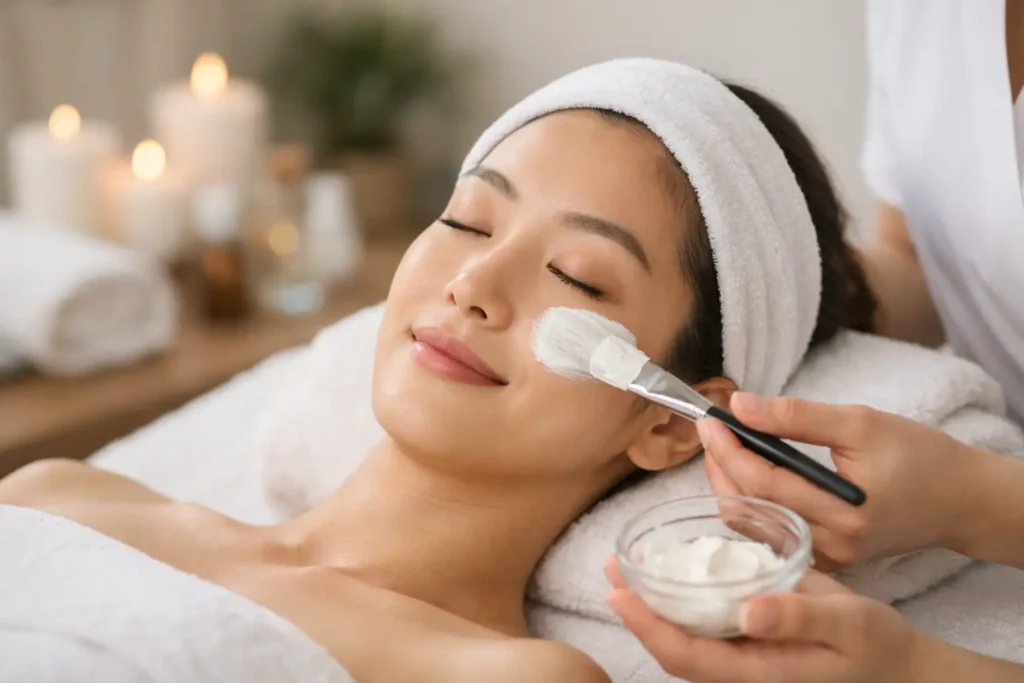
Once you are comfortable, the treatment often starts with a thorough cleanse and a closer skin assessment. Depending on your needs, a facial may include exfoliation, steam or softening steps, gentle extraction work, a face and shoulder massage, targeted serum, mask, and finishing skincare. The exact sequence varies. A classic facial may focus on deep cleansing and hydration, while a more specialised option such as a Bojin Facial or Face Bojin may incorporate pressure-point massage techniques designed to support relaxation and a refreshed-looking complexion.
A facial should feel restorative, but it is not always entirely passive. Extraction, for example, can feel mildly uncomfortable, particularly if pores are congested. It should never feel unbearable. Tell your therapist straight away if a product stings, if the room temperature is uncomfortable, or if you would prefer lighter massage pressure. Clear communication is part of good care.
How to prepare for a first facial appointment
There is no complicated preparation required. Arrive with clean skin if convenient, but do not worry if you are wearing make-up – professional cleansing is part of the service. More importantly, avoid trying a new active product the evening before. Strong exfoliating acids, retinoids, scrubs, or at-home peeling products can leave the skin reactive and make it harder to judge what it needs.
If possible, avoid heavy sun exposure, tanning, facial waxing, or shaving immediately before your appointment. Skin that is already irritated needs a gentler approach. If you have a cold sore, active rash, sunburn, infection, or a sudden severe flare-up, contact the outlet before travelling in. Rescheduling may be the more comfortable and responsible choice.
Come prepared to discuss the skincare you use at home. You do not need to bring every bottle, but knowing the names or taking a quick photo can help. This is especially useful if you use prescription creams or high-strength ingredients. A therapist can then avoid combinations that may be unsuitable on the day.
It is also sensible to leave some breathing room after the treatment. Do not schedule your first facial immediately before a hot yoga class, a long outdoor walk, or a major event if your skin is prone to redness. Many people leave looking fresh and radiant, but a first treatment can reveal a little temporary flushing, especially after extraction or exfoliation.
Choosing a facial that fits your skin and your day
The best first facial is usually not the most intensive one. It is the one that responds to your present skin condition and leaves you feeling comfortable. If your skin feels tight, rough, or tired from air-conditioning and long working days, a hydration-focused facial may be the right starting point. If you notice blackheads and uneven texture, deep cleansing and careful extraction may be more useful.
For guests concerned about firmness, puffiness, or a less-defined facial appearance, massage-led treatments can be appealing. Techniques that work along the face, neck, and pressure points may provide a sense of release while supporting a more rested appearance. Results vary from person to person, and one session should be viewed as a helpful reset rather than a permanent transformation.
This is where an experienced consultation matters. Sensitive skin may benefit from a calmer, barrier-conscious plan rather than frequent exfoliation. Acne-prone skin needs care that balances cleansing with respect for inflammation. Mature skin often responds well to consistent hydration, massage, sun protection, and well-chosen active ingredients, rather than a single dramatic treatment.
At Eros Beauty, the aim is to make this decision feel clear rather than overwhelming. A well-matched facial combines professional care, a comfortable pace, and practical advice that makes sense for your everyday routine.
During your facial: speak up and settle in
For many first-time guests, the hardest part is allowing themselves to switch off. You do not need to make conversation throughout the appointment. Some people enjoy learning what each step does; others prefer quiet time. Both are completely acceptable.
Before the treatment begins, let your therapist know if you have any preferences. You might want a brief explanation before each stage, less talk, extra attention around the jaw or forehead, or to avoid scalp massage. If you wear contact lenses, ask whether it is more comfortable to remove them. If you have neck or back tension, request an adjustment to your pillow or bed position.
A professional therapist should explain any recommendation in plain language, including why it may suit your concern and what results are realistic. Take your time before agreeing to add-ons, packages, or home-care products. A thoughtful recommendation can be valuable, particularly when it supports your treatment results between visits, but you should always feel able to ask questions or say that you would like to consider it.
First facial aftercare that protects your results
Your skin has just been cleansed, treated, and often lightly exfoliated, so give it a gentle 24 to 48 hours. Avoid scrubs, strong acids, retinoids, and picking at any areas that were extracted. Keep your routine simple: gentle cleanse, moisturiser, and broad-spectrum SPF during the day.
Sun protection is especially worthwhile in Singapore, where everyday exposure can quickly undo the bright, even look you hope to maintain. Apply it generously in the morning and reapply when you are outdoors for extended periods. A hat and shade are helpful companions, particularly after a treatment that has included exfoliation.
Try not to judge your final result the moment you leave. A hydrating facial may create an immediate glow, while congestion-focused care can take a day or two for the skin to settle. Drink water, avoid very hot showers or saunas that evening, and resist the temptation to add several new products at once.
If you experience persistent redness, swelling, itchiness, or discomfort, contact the treatment provider for advice. If symptoms are severe or you suspect an allergic reaction, seek medical attention promptly. Professional facials are designed around care, but every person’s skin has its own history and sensitivities.
How often should you book a facial?
The answer depends on your skin goals, budget, and home routine. A facial before a wedding, holiday, or important event can be a welcome confidence boost, but regular care tends to deliver more meaningful maintenance benefits. Many guests choose a monthly rhythm because it broadly follows the skin’s natural renewal cycle, while others book less often and focus on consistent home care.
If you are addressing persistent acne, marked sensitivity, or pigmentation, avoid chasing quick fixes. Your therapist may suggest a phased plan, but it should remain realistic for your lifestyle. The most effective routine is the one you can maintain: a suitable facial schedule, uncomplicated daily skincare, and proper sun protection.
Your first appointment is simply a starting point. Arrive curious, share what your skin has been through, and give yourself permission to enjoy the care. The right facial should leave you feeling informed, comfortable, and quietly renewed – with a plan that supports your skin long after you step back into your day.