


Uncategorized
Best Facial for Dehydrated Skin: What Works?
Jul
Skin can look shiny and still be dehydrated. That is why choosing the best facial for dehydrated skin is not always as simple as picking the richest treatment on the menu. Dehydration is a lack of water in the skin, not a skin type. You can have oily, combination or mature skin and still experience tightness, dullness, fine lines and that slightly crepey feeling that makes your complexion look tired.
For many people in Singapore, air-conditioning, heat, sun exposure, long workdays and overuse of active skincare all play a part. A facial can make a noticeable difference, but only when the treatment is matched to what your skin is actually missing. The goal is not just to feel pampered for an hour. It is to help the skin hold water better, strengthen its barrier and look smoother, calmer and fresher afterwards.
What is the best facial for dehydrated skin?
The best facial for dehydrated skin is usually one that focuses on gentle exfoliation, deep hydration, barrier support and improved circulation without over-stimulating the skin. In practice, that often means a hydrating classic facial, a massage-led facial that boosts microcirculation, or an advanced treatment that helps hydrating ingredients absorb more effectively.
The right choice depends on how your skin presents on the day. If it feels tight, looks flaky and reacts easily, a soothing hydration-focused facial is often the safest and most effective option. If dehydration is combined with sluggishness, puffiness or a dull tone, a facial that includes structured massage can help bring life back to the skin while still supporting hydration. If the skin is tired, uneven and no longer responding well to home care alone, a more advanced treatment may be worth considering, provided it is tailored carefully.
This is where many people go wrong. They assume stronger treatment means better results. With dehydrated skin, too much extraction, aggressive peeling or overly harsh devices can leave the complexion looking even more fragile. Good results come from balance.
Why dehydrated skin needs more than moisture on the surface
When skin is dehydrated, the problem is not just dryness on top. Often, the skin barrier is compromised, which means water escapes more easily. This can happen after frequent exfoliation, long-term sun exposure, poor sleep, travel, stress or using products that strip the skin.
A well-designed facial helps in several ways at once. It can remove the build-up of dead skin cells that prevents hydrating products from penetrating properly. It can introduce humectant-rich formulas that draw water into the skin. It can also calm inflammation and support circulation, which helps the complexion look healthier and less flat.
That said, no facial can permanently fix dehydration in one visit. The best treatments create visible improvement quickly, then work even better when paired with sensible home care and regular maintenance.
The facials that tend to work best
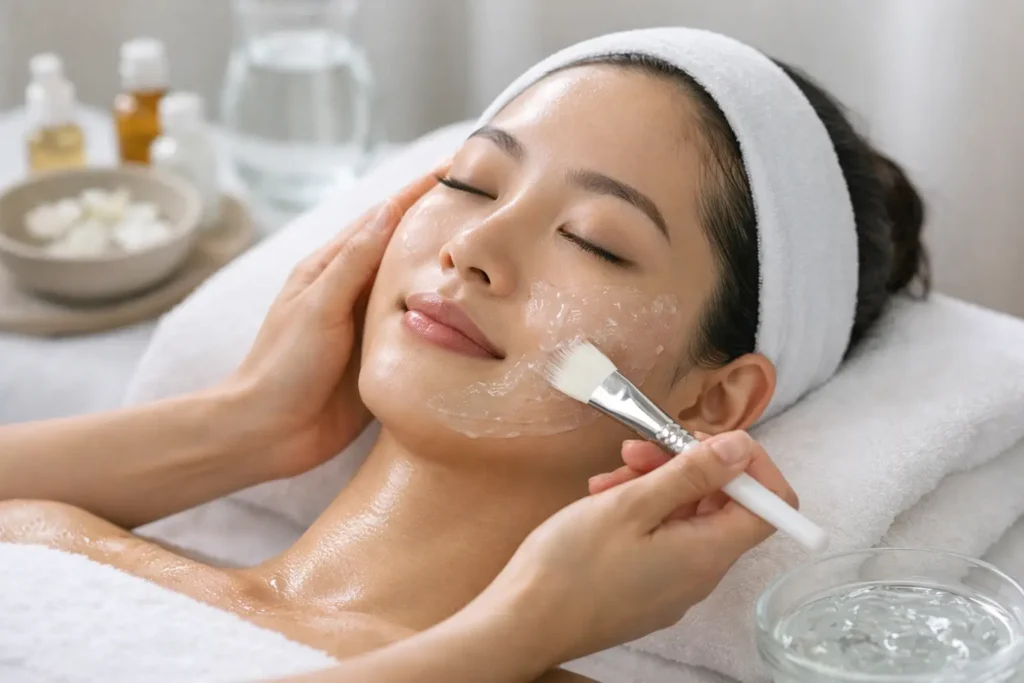
A classic hydrating facial remains one of the most reliable choices. It may sound basic, but when performed well, it can be exactly what dehydrated skin needs. Gentle cleansing, light exfoliation, careful extraction only where necessary, hydrating ampoules or serums, facial massage and a moisture-rich mask can help the skin feel softer and more comfortable immediately. For first-timers or anyone whose skin is stressed, this is often the best starting point.
Massage-based treatments such as a Bojin facial or face Bojin can also be especially beneficial when dehydration comes with tension, puffiness or poor circulation. These treatments do more than relax the face. By working on pressure points and encouraging flow, they can help the skin appear brighter and less congested while supporting the absorption of hydrating products. For clients who carry stress in the jaw, forehead or eye area, this style of treatment often gives the face a more refreshed and lifted look.
Advanced hydrating treatments can be a strong option too, especially if your skin has become rough, lacklustre or slow to recover. Technologies designed to enhance product penetration or support skin renewal can improve the overall result, but this only works when the therapist adjusts the intensity to your skin condition. Dehydrated skin usually responds better to a thoughtful, restorative approach than an aggressive one.
How to tell if a facial is too harsh for your skin
Not every impressive-sounding treatment suits dehydrated skin. If your face often feels hot, tight or stingy after facials, the treatment may be doing too much. Redness that lingers, increased sensitivity or a sudden rough texture are also signs that your barrier may be under strain.
This does not mean you should avoid all exfoliation or advanced care. It simply means the facial should be paced properly. A small amount of gentle exfoliation can help hydration reach the skin more effectively. Too much can make water loss worse. Likewise, extractions have their place, but they should never dominate a facial for someone whose main concern is dehydration.
A skilled therapist will usually look beyond what the skin looks like at first glance. Oily areas do not automatically mean the skin is well hydrated. In fact, some dehydrated skin produces more oil as it tries to compensate.
Ingredients and treatment features worth looking for
When choosing a facial, it helps to pay attention to what the treatment is trying to achieve. Hydrating facials tend to work best when they include ingredients such as hyaluronic acid, glycerin, aloe vera, ceramides and soothing botanical extracts. These support water retention and reduce the tight, uncomfortable feeling that often comes with dehydration.
The treatment process matters just as much as the products. A gentle cleanse, mild exfoliation, calming massage and a mask designed to replenish water content will usually serve dehydrated skin better than a treatment built around intense resurfacing. If your skin is mature, hydration and barrier support are especially valuable because dehydration can make fine lines appear more pronounced.
For clients balancing hydration concerns with early signs of ageing, a facial that combines nourishment with circulation support can be particularly rewarding. Skin often looks plumper not because wrinkles have vanished, but because it is holding water better and reflecting light more evenly.
How often should you have the best facial for dehydrated skin?
If your skin is persistently dehydrated, a facial every three to four weeks is often a sensible rhythm. That gives the skin a chance to recover, maintain hydration and build consistency without becoming overworked. If the dehydration is temporary, perhaps after travel, illness, stress or too much sun, one well-chosen facial may be enough to reset the skin, followed by good home care.
Consistency usually matters more than intensity. A regular programme of suitable facials often gives better long-term results than occasional strong treatments that leave the skin unsettled.
This is also where a trusted beauty and wellness partner makes a real difference. At a professional outlet, your skin can be assessed each visit so the treatment adapts to changes in weather, stress levels and sensitivity. That personalised approach is often what turns a decent facial into one that truly supports healthier skin over time.
What to do after your facial to keep the hydration in
A good facial can give your skin a fresh, dewy look, but aftercare determines how long that result lasts. Keep your routine simple for the next few days. Use a gentle cleanser, a hydrating serum and a moisturiser that helps seal water into the skin. If your therapist recommends avoiding strong acids or retinoids briefly, it is worth following that advice.
Daily sun protection matters too. Dehydrated skin exposed to UV can become more uneven and irritated, which makes it harder to maintain that smooth, comfortable finish. Drinking enough water helps overall wellbeing, but topical skincare and barrier repair are still essential because the skin needs direct support at the surface.
If your environment is very drying, especially with constant air-conditioning, consider adjusting your routine rather than simply adding more products. Sometimes a richer moisturiser, a gentler cleanser or fewer active ingredients can improve hydration more than an expensive new serum.
Choosing the right facial in Singapore
In Singapore, environmental stress plays a bigger role than many people realise. Moving between humid outdoor heat and chilled indoor spaces can leave skin confused, reactive and dehydrated. That is why facials need to be selected with both skin condition and lifestyle in mind.
If convenience matters, choosing a provider near your routine can make regular maintenance easier, whether you are around Bugis, Rochor, Novena or Ang Mo Kio. More importantly, look for a place that explains treatments clearly, adjusts them to your comfort level and does not push a one-size-fits-all solution. At Eros Beauty, that service-led approach is part of what helps clients feel cared for while still seeing visible results.
The best facial for dehydrated skin is rarely the trendiest one. It is the one that leaves your skin calm, supple and comfortable, then helps it stay that way with the right rhythm of care. If your face has been feeling tight, dull or unexpectedly tired, it may simply be asking for water, gentleness and a treatment plan that respects what your skin needs today.