


Uncategorized
Which Facial Treatment for Tired Skin Helps?
Jul
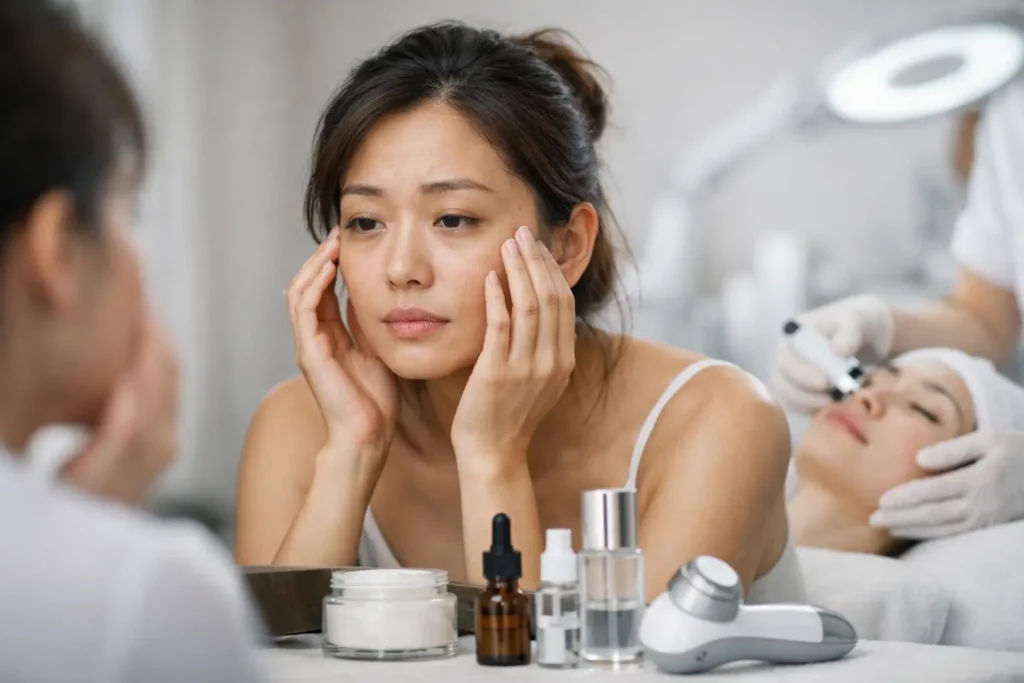
When your complexion looks flat despite a full night’s sleep, the cause is rarely just one late evening. Air-conditioning, screen time, commuting, sun exposure, stress and an inconsistent home routine can gradually leave skin dehydrated, congested and less responsive. A facial treatment for tired skin offers more than a moment of rest: it gives the complexion focused cleansing, replenishment and professional attention based on what it needs now.
Tired-looking skin does not always mean ageing skin, and it does not always need an aggressive treatment. Often, the most noticeable improvement comes from restoring moisture, improving surface smoothness and relieving the tension that can make the face look drawn. The right approach should leave you feeling comfortable as well as looking refreshed.
What tired skin can look and feel like
A tired complexion may appear dull, uneven or slightly grey in tone, especially under office lighting. Makeup may sit unevenly, fine lines can seem more obvious and the skin may feel tight after cleansing even if there is shine around the T-zone. Some people also notice puffiness around the eyes, a heavier jaw area or a lack of the healthy glow they usually have.
These concerns can overlap. Dehydrated skin can be oily as well as dry, while dullness may be linked to a buildup of dead skin cells, poor sleep, environmental exposure or reduced circulation. This is why choosing a facial only by its name can be unhelpful. A thoughtful consultation should look at your skin condition, current routine, sensitivity and the results you would like to see.
Choosing a facial treatment for tired skin
For skin that simply feels depleted, a classic facial with careful cleansing, exfoliation, extraction where appropriate and a hydrating mask can be an excellent starting point. It supports a clearer, softer surface without asking too much of a stressed complexion. It is also a sensible choice if you are returning to professional facials after a break or are unsure how your skin will respond.
If tension is contributing to a fatigued appearance, massage-based facial care can add another dimension. Gentle work around the forehead, temples, cheeks and jaw may help you unwind while encouraging the face to look less tense. Treatments inspired by Bojin techniques are often chosen by clients who enjoy a more targeted, pressure-based facial experience. The pressure should always be adjusted to your comfort level, particularly if you are new to this style of treatment.
For concerns such as persistent dehydration, loss of radiance or a more mature-looking complexion, advanced beauty treatments may be recommended after a professional assessment. These can complement a regular facial routine, but stronger is not automatically better. Sensitive skin, active breakouts, recent aesthetic procedures and certain skin conditions may require a gentler plan or advice from a medical professional first.
Hydration is often the first priority
Skin that lacks water can look thinner, rougher and more lined, even when it produces oil. A hydration-focused facial aims to cleanse without stripping the skin, replenish comfort and finish with suitable products that help reduce that tight, parched feeling.
Results are often immediate in the form of a smoother, more comfortable appearance. However, a single appointment cannot compensate for daily dehydration, inadequate sun protection or harsh cleansing at home. Think of the treatment as a valuable reset, then support it with consistent care between visits.
Exfoliation should be measured, not rushed
A dull complexion can benefit from professional exfoliation, which helps lift away surface buildup so skin looks brighter and skincare applies more evenly. Yet over-exfoliating can lead to redness, sensitivity and a compromised skin barrier, making tired skin look even more unsettled.
The best method and frequency depend on your skin. Someone with resilient, congested skin may tolerate more active exfoliation than someone with dryness or sensitivity. Be open with your therapist about any retinol, acids, scrubs or home devices you use, as this information helps them tailor the session safely.
Why facial massage can change the way you look and feel
The face holds more tension than many people realise. Long hours at a desk, concentration, clenching and stress can show up in a furrowed brow, tight jaw and less relaxed expression. Facial massage brings a welcome sense of release and can make a treatment feel deeply restorative rather than purely cosmetic.
Massage is not a replacement for medical care when pain, swelling or jaw problems are persistent. But as part of a professional facial, it can support relaxation and leave the skin looking more awake through improved surface circulation. The experience matters too. Taking time to rest in a calm treatment room can be the pause that a busy schedule has been missing.
At Eros Beauty and Wellness, facial care can be paired with wellness-led techniques for clients who want both visible skin support and a more relaxed state of mind. A good session should never feel rushed or overly complicated. You should understand what is being used, why it suits your skin and how to care for your complexion afterwards.
Make your facial results last at home
The hours after a facial are a good time to keep your routine simple. Avoid trying a new active serum, scrubbing the skin or applying heavy makeup immediately after treatment. Let the complexion settle, especially if you have had extraction or exfoliation.
For everyday maintenance, focus on a gentle cleanse, a moisturiser that suits your skin type and broad-spectrum sun protection in the daytime. Hydrating products can be helpful, but layering too many formulas may create irritation or congestion. If your skin feels tired frequently, consistency is usually more effective than constantly changing products.
Sleep, water intake and stress management also influence how refreshed the complexion appears. No facial can make up indefinitely for a demanding routine, but regular professional care can be a practical part of maintaining skin that feels looked after. Many clients find that booking before a special occasion, after a demanding work period or as a monthly self-care ritual keeps them more consistent.
How often should you book?
There is no universal timetable. For a gentle maintenance facial, every four to six weeks can suit many people because it follows the skin’s natural renewal rhythm. If you are addressing congestion, pronounced dehydration or a particular concern, your therapist may suggest a shorter initial plan followed by maintenance appointments.
Your skin should guide the decision. If it is comfortable, calm and responding well, there is little benefit in over-treating it. If it is persistently inflamed, itchy, peeling or suddenly breaking out, pause and seek appropriate professional advice rather than booking another intensive facial.
A tired complexion is often asking for care, not correction. Choose a facial that respects your skin’s condition, gives you a genuine opportunity to rest and fits realistically into your routine. With patient maintenance, your next look in the mirror can feel less like a reminder of a busy week and more like a reason to take time for yourself.