


Uncategorized
Are Facials Safe? A Guide to Healthier Skin
Aug
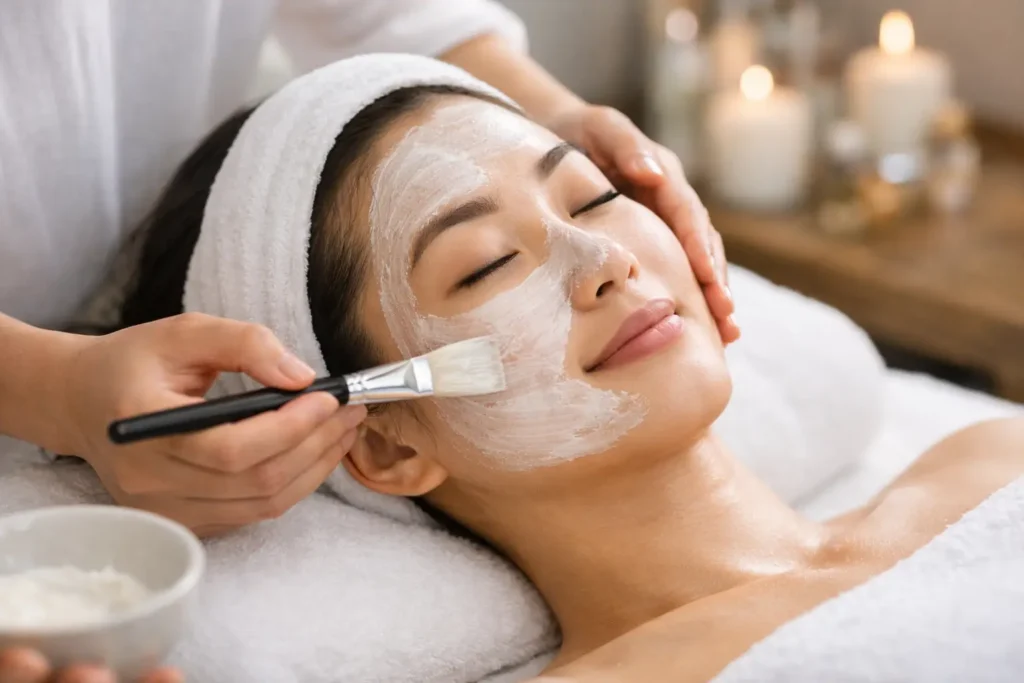
A facial should leave your skin feeling cared for, not worried. Yet if you have ever experienced redness after extractions, felt stinging from an unfamiliar product, or wondered whether a treatment is right for mature or sensitive skin, the question is entirely reasonable: are facials safe?
For most people, professional facials are safe when they are selected for the skin’s current condition, performed with proper hygiene, and followed by sensible aftercare. Safety is not about choosing the strongest treatment or copying someone else’s skincare routine. It is about receiving the right level of care, at the right time, from a therapist who listens to your concerns and explains what your skin needs.
Are facials safe for every skin type?
Facials can be adapted for dry, oily, combination, dehydrated, mature and sensitive skin. A well-planned treatment may support a clearer-looking complexion, improve the appearance of dullness, ease surface congestion and provide the deep relaxation that busy schedules often leave behind.
However, not every facial suits every person on every day. Your skin may be more reactive after sun exposure, lack of sleep, travel, hormonal changes, a new active skincare product or a recent aesthetic procedure. This is why a proper consultation is more than a formality. It allows the therapist to understand your skin history, current routine, allergies and treatment goals before beginning.
A gentle classic facial may be a comfortable choice when your priority is hydration and maintenance. More intensive options, including treatments involving exfoliation, extraction, advanced devices or massage techniques, may require greater care in selection. The best treatment is not necessarily the most intensive one. It is the one that respects your skin barrier while working towards visible, realistic results.
What makes a professional facial safe?
A safe facial begins before the first product touches your face. A trained therapist should assess visible skin concerns, ask about sensitivity and explain the intended treatment steps in clear language. You should feel comfortable saying that your skin reacts easily, that you are using prescription skincare, or that you would prefer to avoid extractions.
Clean practice matters just as much. Fresh towels, sanitised tools, clean hands and careful product handling help reduce unnecessary risk. During treatments involving extraction, pressure should be controlled and only suitable areas should be treated. Trying to force a deeply inflamed blemish can lead to more irritation, prolonged redness or marks.
Product choice is another key part of safety. Professional formulations can be beneficial, but stronger is not always better. Skin that feels tight, hot or persistently uncomfortable is not a sign that a treatment is working well. A skilled therapist will adjust the approach if your skin becomes reactive, rather than pushing through a planned sequence.
At Eros Beauty and Wellness, the treatment experience should feel both results-oriented and reassuring: your concerns are heard, the process is explained, and your comfort remains part of the service from consultation to aftercare.
When should you postpone a facial?
There are times when it is wiser to delay your appointment or choose a gentler alternative. If your skin is sunburnt, visibly broken, actively infected or experiencing a severe flare-up, a facial may aggravate discomfort. The same applies if you have fresh wounds, a cold sore, a rash of unknown cause, or significant peeling after using retinoids, acids or other active products.
Tell your therapist if you have recently had injectables, laser treatment, chemical peeling, microneedling or surgery. Each procedure has its own recovery period, and combining treatments too soon can compromise healing. If you are pregnant, breastfeeding, managing a medical condition or using prescription medication, mention this during consultation so products and techniques can be considered carefully.
For persistent acne, eczema, rosacea, unexplained pigmentation or a changing mole, seek advice from a qualified medical professional before booking an intensive treatment. A facial can be a valuable part of a self-care routine, but it should not replace medical assessment when there is an underlying skin condition.
Extractions, exfoliation and devices: where care matters most
Some facial steps create more concern than others, especially extractions and exfoliation. Both can be safe and useful when they are appropriate, but both depend heavily on skin condition and technique.
Extractions
Professional extraction may help remove superficial congestion and leave the skin looking smoother. It should never feel rushed or excessively forceful. Mild temporary redness can happen, particularly around the nose and chin, but bleeding, bruising or intense pain are not outcomes to accept as routine.
If you have inflamed acne, fragile capillaries or very sensitive skin, limited or no extraction may be the better choice. Let your therapist know if you have an important event within the next few days, as even gentle extraction can cause short-term redness for some people.
Exfoliation
Exfoliation can refresh dull-looking skin by lifting away built-up surface cells. But over-exfoliation weakens the skin barrier, which may lead to dryness, sensitivity, flaking and breakouts. This is especially relevant if you already use retinol, AHAs, BHAs, benzoyl peroxide or exfoliating scrubs at home.
Bring up your usual skincare routine during consultation. You may be advised to pause selected active products before and after your facial, depending on the treatment you receive. This gives your skin the space to recover rather than layering irritation upon irritation.
Advanced beauty treatments
Technology-based treatments can be an effective addition to a professional skincare plan, but only when settings, technique and suitability are carefully considered. A reputable provider should explain what the treatment is designed to do, what sensations you may feel, and whether there is any expected downtime.
Do not feel pressured to proceed if you do not understand the treatment or if a consultation has been skipped. Good service is never about making you guess.
How to prepare for a safer facial appointment
A little preparation can make a noticeable difference. Avoid trying a new at-home peel, scrub or strong active serum in the days immediately before your appointment. If possible, arrive without heavy make-up so your therapist can see your skin more clearly from the start.
Be open about what you use at home, including prescription creams and supplements. It can also help to share your priorities. Perhaps you want a more hydrated appearance before a family gathering, support for congestion around the jawline, or simply an hour of calm after demanding weeks at work. Your goals help shape a treatment that feels personal rather than generic.
If you are prone to sensitivity, ask for a gentler approach and request that products be introduced carefully. This is particularly worthwhile when trying a new treatment for the first time.
Aftercare is part of facial safety
The hours after a facial are when skin is most appreciative of a simple routine. Avoid touching or picking at the skin, and resist the temptation to add multiple active products that evening. Use a mild cleanser, moisturiser and broad-spectrum sunscreen during the day, especially in Singapore’s strong sunlight.
For 24 to 48 hours, depending on your treatment and therapist’s advice, it may be sensible to avoid intense exercise, steam rooms, saunas, hot yoga, swimming pools and direct heat. These can increase flushing or irritation, particularly after extraction or exfoliation.
A small amount of temporary redness or sensitivity can be normal. Contact the treatment provider if discomfort is worsening rather than settling, or if you notice swelling, hives, persistent burning or signs of infection. Prompt communication allows the right next step to be taken.
Choosing a facial provider you can trust
The most reassuring facial experience is one where you are treated as an individual, not a treatment slot. Look for a provider that makes consultation easy, maintains clean treatment standards, explains recommendations without aggressive selling, and gives realistic advice about what one session can achieve.
You should also feel able to ask simple questions: What products will be used? Are extractions necessary today? What should I avoid afterwards? How often should I return? A professional therapist will welcome these questions because informed clients are better able to care for their skin between appointments.
Facials are generally safe when expertise, hygiene and thoughtful personalisation come together. Take time for yourself, listen to your skin, and choose care that leaves you feeling refreshed, comfortable and confident in the days that follow.