


Uncategorized
Skin Pigmentation: What Causes Dark Spots?
Oct
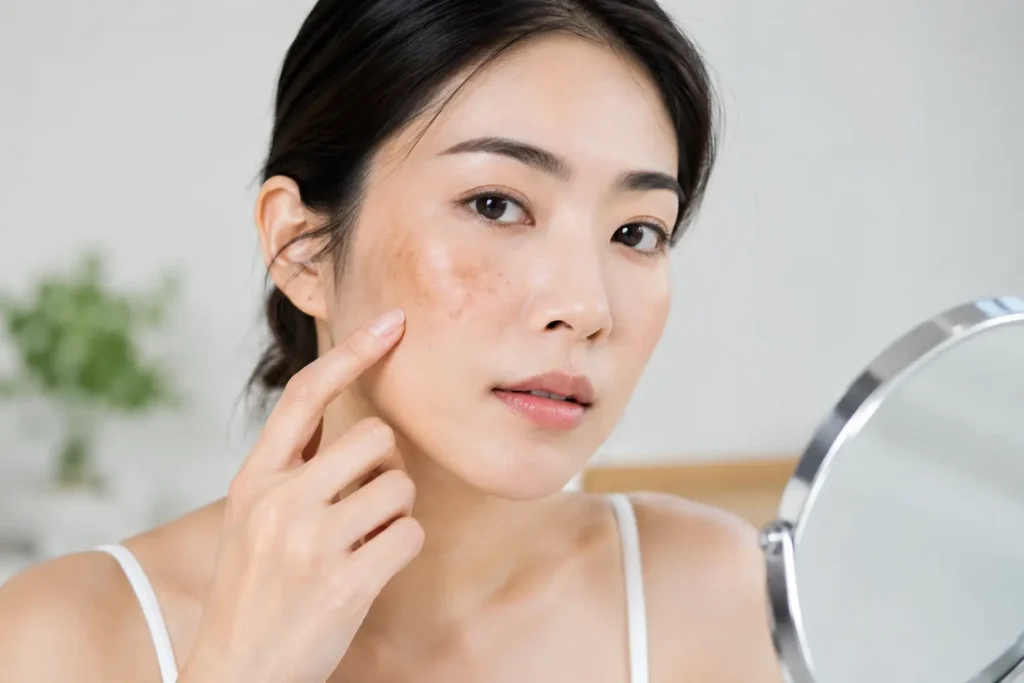
A patch of brown across the cheeks, marks left behind after a breakout, or spots that seem more noticeable after a beach holiday can all change how even and luminous the complexion appears. Skin pigmentation is common at every age, particularly in sunny Singapore, but the cause matters. The most effective approach is not simply to chase a brighter-looking complexion. It is to understand what is triggering the colour change, protect the skin consistently, and choose care that respects its condition.
What is skin pigmentation?
Melanin is the natural pigment that gives skin, hair and eyes their colour. It also acts as part of the skin’s defence against ultraviolet exposure. When melanin production becomes uneven or more active in one area, pigmentation may look like darker patches, freckles, spots or marks.
Not all pigmentation is a concern, and many forms are harmless. However, it can be frustrating when it affects the face, neck, chest or hands, where it is difficult to conceal and often becomes more pronounced over time. A clear assessment is worthwhile because different pigment concerns respond to different forms of care.
Hyperpigmentation refers to areas that become darker than the surrounding skin. Hypopigmentation, which is less common in beauty consultations, describes lighter patches caused by reduced pigment. This article focuses mainly on darker marks and uneven tone.
Why does skin pigmentation develop?
Sun exposure is one of the strongest triggers. Even short, repeated periods outdoors can encourage melanocytes, the cells that produce melanin, to create more pigment. This is why spots can deepen after outdoor lunches, driving, walking between meetings or exercising, not only after a day at the beach. UVA rays can pass through clouds and glass, so daily protection matters even when the weather does not feel particularly hot.
Hormonal changes can also play a significant role. Melasma often appears as symmetrical brown or grey-brown patches across the cheeks, forehead, upper lip or jawline. It may be associated with pregnancy, hormonal contraception, menopause or an individual sensitivity to hormones. Heat and visible light can aggravate melasma too, which is one reason it requires patience and a tailored maintenance plan.
Post-inflammatory hyperpigmentation develops after inflammation in the skin. Acne, insect bites, eczema, friction, shaving irritation and even an overly strong exfoliating product can leave a dark mark behind once the original concern has settled. Those with medium to deeper skin tones may be especially prone to this response, as their skin naturally contains more active melanin.
Ageing, genetics, certain medications and repeated rubbing can contribute as well. A mark that is raised, itchy, irregular, changing quickly, bleeding or very different from other marks should be assessed by a doctor promptly rather than treated as a cosmetic concern.
Common forms of pigmentation concerns
Sun spots, often called age spots, tend to appear as small, defined brown areas on regularly exposed skin, including the cheeks, forehead, hands and décolletage. Despite the name, they can develop well before later life if sun exposure has accumulated over the years.
Freckles are usually genetic and become darker with sun exposure. They are not necessarily a problem to remove, but diligent sun protection can help prevent them from deepening or multiplying.
Melasma usually presents as broader patches rather than individual dots. Because its triggers can be hormonal and environmental, it may fade and recur. Aggressive treatments can sometimes make it worse, particularly if they create inflammation.
Post-acne marks can be mistaken for acne scars. A flat brown, red-brown or greyish mark may be pigmentation rather than a textural scar. This distinction is helpful because uneven colour and uneven texture need different treatment strategies.
Build a routine that supports even-looking skin
The foundation of pigmentation care is simple but non-negotiable: daily broad-spectrum sunscreen. Choose an SPF 30 or higher that you enjoy applying in an adequate amount, and reapply when spending extended time outdoors, sweating or sitting near strong daylight. A tinted sunscreen containing iron oxides may be particularly useful for people managing melasma, as it can provide additional protection from visible light while evening the appearance of the complexion.
Gentle cleansing and moisturising help maintain a healthy skin barrier. When skin is dry, irritated or over-exfoliated, it is more likely to become inflamed, and inflammation can lead to new marks. Avoid scrubbing dark spots, picking blemishes or introducing several strong active products at once in the hope of faster results.
Ingredients such as niacinamide, vitamin C, azelaic acid, licorice extract and carefully formulated retinoids may support a more even-looking complexion. The right choice depends on your skin’s sensitivity, current routine and the type of pigmentation involved. Retinoids and stronger brightening ingredients are not suitable for everyone, including some people who are pregnant or breastfeeding, so professional medical advice is sensible where relevant.
Consistency is more valuable than a crowded shelf of products. Most pigmentation takes weeks or months to improve because the skin needs time to renew. If a product stings, causes persistent redness or leaves the skin feeling tight, pause and reassess rather than pushing through discomfort.
Professional treatments for skin pigmentation
A professional facial consultation can help identify whether your concern appears linked to dehydration, congestion, post-acne inflammation, sun exposure or a more complex pattern such as melasma. This allows treatment intensity to be matched to your skin rather than selected purely because it is popular.
For mild dullness and uneven surface tone, a classic facial with thorough cleansing, hydration and calming care may support a healthier-looking complexion. When the skin is congested or prone to breakouts, careful extraction and barrier-focused aftercare can also reduce the cycle of inflammation that leaves fresh marks.
Advanced treatments may be considered for suitable clients, but they are not a shortcut and should always begin with a proper skin assessment. Depending on the concern, a professional may recommend controlled exfoliation, light-based technology, targeted clinical treatments or a staged programme combining in-clinic care with home maintenance. The trade-off is that stronger treatments can involve temporary sensitivity, peeling or downtime, and overly aggressive treatment carries a risk of triggering further pigmentation.
At Eros Beauty and Wellness, the focus is on helping clients feel informed and comfortable before beginning a facial programme. A thoughtful consultation should explain what a treatment can realistically improve, how many sessions may be needed and how to care for the skin between appointments. Visible results are more sustainable when professional care and daily protection work together.
When a darker mark needs medical review
Beauty treatments can support many common pigment concerns, but they do not replace medical diagnosis. Arrange a review with a doctor or dermatologist if a mole or spot changes in size, shape or colour; has an uneven border; becomes painful, crusty or itchy; or bleeds without an obvious reason. Seek professional advice too if pigmentation appears suddenly, spreads quickly, or follows a new medication.
Melasma and persistent post-inflammatory pigmentation may also benefit from a dermatologist’s guidance, especially when over-the-counter products have not helped or irritation is recurring. A combined plan can be the safest route for stubborn concerns.
Give your skin time, not pressure
The goal is not a filtered, perfectly uniform complexion. Healthy skin still has natural variation, and a successful pigmentation plan is one that makes your skin feel comfortable, protected and more even over time. Start with daily sun protection, treat breakouts and irritation gently, and seek personalised advice before investing in stronger treatments. Small, steady choices can bring a meaningful change to how your skin looks and how confidently you feel in it.