


Uncategorized
Best Treatments for Facial Puffiness That Help
Aug
Waking up with a face that looks fuller than usual can make even well-rested skin appear tired. For many people, the best treatments for facial puffiness are not about chasing a dramatic overnight change. They are about improving fluid movement, supporting the skin barrier and recognising the habits or health concerns that may be contributing to recurring swelling.
Facial puffiness is common in Singapore’s humid climate, particularly after a salty dinner, alcohol, a late night, air-conditioned sleep or a stressful week. It can also show up around the eyes during allergy season, before menstruation or when skin is irritated. The right approach depends on whether the puffiness is occasional, concentrated in one area or a regular concern that no amount of concealer seems to disguise.
Why does facial puffiness happen?
A puffy face is usually linked to temporary fluid retention in the tissues. During sleep, fluid can collect more noticeably around the eyes and cheeks because the body is lying flat. High-sodium meals, dehydration, alcohol and disrupted sleep can all make this effect more obvious the following morning.
Skin inflammation is another frequent factor. Over-exfoliating, trying several active products at once, using a product that does not suit your skin, or leaving make-up on overnight may compromise the skin barrier. In this situation, an aggressive massage or strong exfoliating facial is unlikely to be the answer. Calming care comes first.
Some people are simply more prone to morning puffiness due to facial structure, ageing-related changes in skin firmness, allergies or sinus congestion. This is why a treatment that works beautifully for a friend may not give the same result for you. A good beauty professional should assess your skin’s condition, comfort level and goals before recommending a treatment plan.
Best treatments for facial puffiness at home
For mild, occasional puffiness, a few consistent morning habits can make a visible difference. The aim is to refresh the complexion without irritating it.
Use a cool compress, briefly
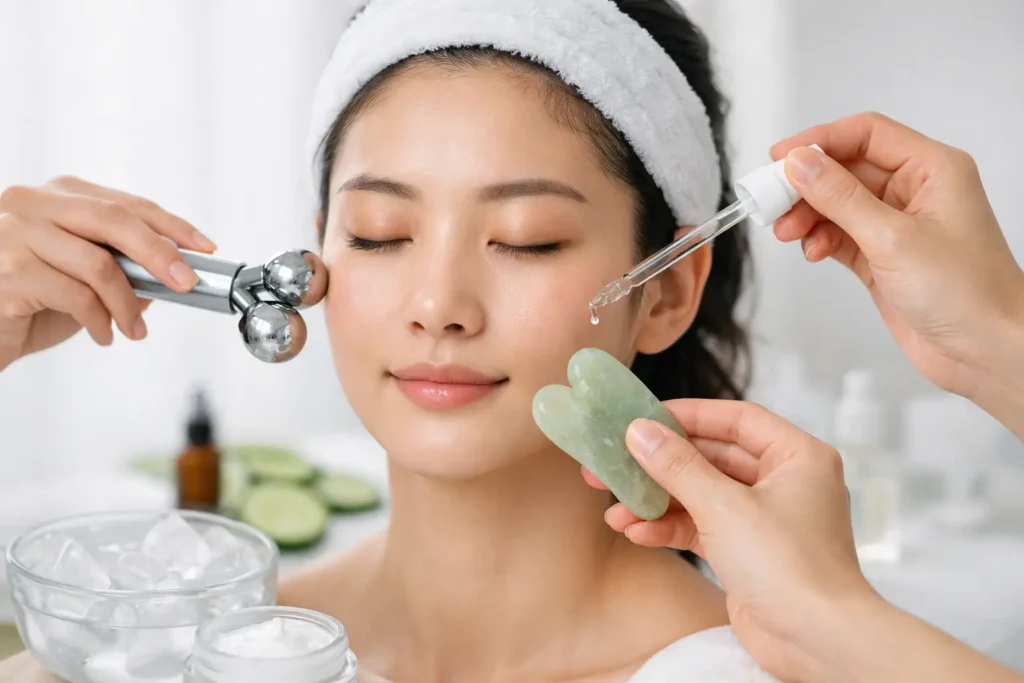
A clean, cool compress over the eye area and cheeks can provide immediate comfort and help the face look more refreshed. Use cool rather than painfully cold temperatures, and keep the session short. Ice applied directly to bare skin can cause discomfort, particularly for sensitive or redness-prone skin.
A chilled eye mask can be useful after a poor night’s sleep, but it is a temporary boost rather than a cure for ongoing swelling. Follow with a gentle moisturiser to keep the skin comfortable, especially if you sleep in air conditioning.
Practise gentle facial massage
Light facial massage can encourage the appearance of a more defined, rested complexion by moving across the skin with slow, outward strokes. Start with clean hands and a little facial oil, gel or moisturiser to prevent dragging. Work from the centre of the face towards the ears, then sweep gently down the sides of the neck.
Pressure should be soft. Facial massage should never hurt, leave lasting redness or feel like you are pulling the skin. Those with active acne, rosacea flare-ups, recent injectables, skin infections or a medical condition affecting the lymphatic system should check with a suitable healthcare professional before trying massage techniques.
Simplify your evening routine
If your face feels swollen and sensitive at the same time, consider whether your skincare routine is doing too much. Pause harsh scrubs and strong acids for a few days, cleanse gently and focus on hydration. A fragrance-free moisturiser and daily sun protection are often more helpful than adding another intensive product.
For the eye area, avoid rubbing. Allergies, mascara residue and dry eyes can all encourage rubbing, which may worsen swelling and make the delicate skin look more fatigued.
Support your body, not just your skin
Water, sleep and balanced meals have a genuine role in how your face looks. Drinking enough throughout the day may help reduce the cycle of dehydration and fluid retention. If you notice puffiness after particular meals, restaurant dishes or drinks, pay attention to patterns rather than restricting everything at once.
Try elevating your head slightly when sleeping if morning swelling is a regular issue. It is a simple adjustment, but it can reduce the amount of fluid that settles around the eyes overnight. A calmer evening routine also matters. Stress and short sleep tend to show on the face quickly.
Professional facial treatments for puffiness and dullness
Home care is excellent for maintenance, but professional treatments can offer a more targeted reset when your face feels congested, tired or less defined. The best option should combine skilled hands with an approach that respects your skin condition on the day.
Lymphatic-style facial massage
A professional facial massage focuses on slow, controlled techniques around the face, jawline and neck. It can be particularly satisfying for clients who feel puffy after travel, long working hours or disrupted sleep. The immediate result is often a fresher, more lifted-looking appearance and a sense of deep relaxation.
Results are temporary, so regular care and sensible home habits are what make the difference over time. This is not a weight-loss treatment, nor can it permanently alter facial bone structure. It is a supportive treatment for comfort, circulation and a well-rested appearance.
Bojin-inspired facial care
For clients who enjoy a more focused massage experience, Face Bojin-inspired techniques may be incorporated as part of a professional facial service. These methods use considered pressure and movement to ease the sensation of facial tension while supporting relaxation across the forehead, cheeks and jaw area.
The treatment should be adapted carefully. If you have very reactive skin, active inflammation or recent aesthetic procedures, tell your therapist before the session begins. Comfort is not an optional extra – it is an essential part of effective, responsible care.
Hydrating and calming facials
Puffiness can make the skin look dull, but dehydration can be present at the same time. A hydrating facial may be a better choice than an intensive exfoliating treatment when the complexion feels tight, stressed or lacklustre. Professional cleansing, moisture-focused products and gentle massage can help skin look smoother and more luminous without overworking it.
At Eros Beauty and Wellness, a consultation-led facial approach can help match treatment intensity to your current skin condition, whether your priority is hydration, relaxation or a more refreshed-looking contour. For busy clients, this makes professional care feel less like a one-off indulgence and more like practical maintenance.
When facial puffiness needs medical advice
Beauty and wellness treatments are suitable for common, mild puffiness, but persistent or sudden swelling should not be ignored. Seek medical advice promptly if swelling is severe, affects only one side of the face, is painful, follows an injury, comes with a rash or fever, or is accompanied by breathing difficulty, lip or tongue swelling, vision changes or dental pain.
It is also worth speaking to a doctor if facial puffiness lasts for weeks, is getting worse, or appears alongside swelling in the hands, feet or ankles. Allergies, sinus concerns, dental infections, medication effects and other health conditions can all require a different form of care. A facial treatment should complement your wellbeing, never replace medical assessment.
A more refreshed face starts with consistency
The most effective routine is usually uncomplicated: sleep well where possible, hydrate steadily, avoid irritating your skin, use gentle massage when it feels good and book professional care when you want deeper relaxation and visible freshness. Rather than fighting your face after every late night or salty meal, give it the regular care it needs to look rested, comfortable and naturally radiant.