


Uncategorized
Is Nano Pulse Treatment Painful? What to Expect
Oct
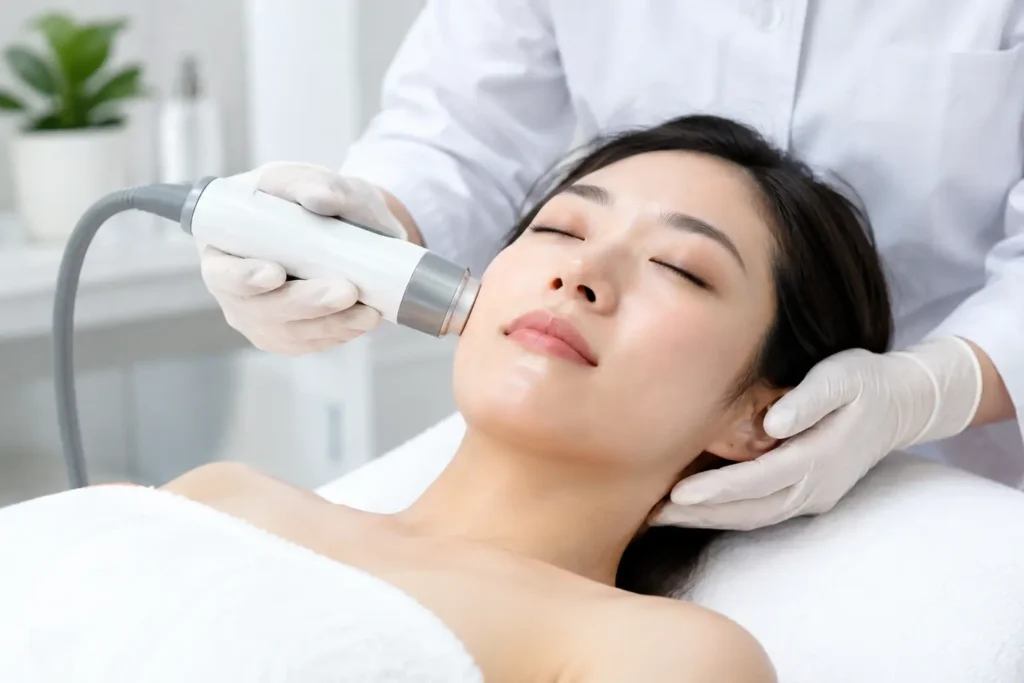
A treatment can sound intimidating when it involves advanced technology, especially if you are booking it to ease tired muscles, body tension or persistent fatigue. So, is nano pulse treatment painful? For most people, it should feel comfortable rather than painful. You may notice a gentle pulsing, tingling or light contraction-like sensation in the treatment area, but the intensity should always be adjusted to your comfort level.
Nano Pulse Therapy is designed to support body wellness through carefully delivered pulses. The exact sensation can vary from person to person and from one area of the body to another. A good session is never about pushing through sharp discomfort. It is about helping your body relax while receiving a treatment tailored to its current needs.
Is nano pulse treatment painful during a session?
Most clients describe Nano Pulse Therapy as unusual at first, rather than painful. The feeling is often compared to a mild rhythmic tapping, buzzing or tingling beneath the skin. Some areas may feel more sensitive, particularly where there is existing tightness or fatigue, such as the shoulders, lower back, calves or thighs.
Your comfort depends on several factors: the treatment setting, the area being treated, your personal sensitivity, hydration levels and how much tension your body is carrying that day. If you arrive after long hours at a desk, a demanding workout or poor sleep, certain areas may be more reactive than usual.
The key difference between a productive sensation and pain is clear. Productive treatment sensations are manageable, brief and can be adjusted. Pain may feel sharp, burning, pinching or overwhelming. You should tell your therapist immediately if any of these occur. A professional therapist can reduce the intensity, reposition the applicator or spend less time on a sensitive area.
What does Nano Pulse Therapy feel like?
There is no single sensation that applies to everyone, but many clients experience a gradual sequence. At the start, you may be aware of a light electrical pulse or fluttering feeling. As your body becomes accustomed to it, the treatment can feel soothing and rhythmic, particularly when combined with a calm treatment environment and time to rest.
For some people, the sensation is barely noticeable. Others prefer a stronger but still comfortable setting because they enjoy feeling that the treatment is working on areas of stiffness. Neither experience is automatically better. The right level is the one that feels safe, tolerable and appropriate for your goals.
A skilled therapist should check in with you, especially during your first session. There is no prize for choosing the highest setting. Wellness treatments work best when the body is able to relax rather than brace against discomfort.
Why some areas feel more sensitive
Muscles and soft tissue can hold tension quietly for weeks. You may only notice it when an area receives focused attention. This is why the neck and shoulders can feel more sensitive for office professionals, while calves and thighs may respond differently after frequent walking, standing or exercise.
Sensitivity may also increase around areas where the skin is thinner or where you are already feeling sore. Women may find that their comfort level changes at different points in their monthly cycle. Stress, dehydration and lack of sleep can also affect how the body responds. Letting your therapist know how you feel before the session helps them personalise the experience from the beginning.
What should not happen
Nano Pulse Therapy should not leave you feeling frightened, unable to relax or in significant pain. While mild temporary redness, warmth or a light post-treatment awareness in the area can occur, intense pain is not something to ignore.
Speak up if you experience a sharp sting, burning sensation, numbness, dizziness, shortness of breath or discomfort that continues after the intensity has been reduced. The treatment should be paused and your therapist should assess the situation. If you have ongoing pain, an injury or a medical concern, seek advice from an appropriately qualified healthcare professional before booking a wellness treatment.
Nano Pulse Therapy is not a substitute for medical diagnosis or treatment. It is particularly important to disclose relevant health information in advance, including pregnancy, implanted electronic devices, heart conditions, active skin irritation, recent surgery or any condition for which you are receiving medical care. Your therapist can then advise whether the treatment is suitable or whether it should be postponed.
How therapists keep the experience comfortable
A thoughtful consultation is one of the most reassuring parts of any advanced body treatment. Before Nano Pulse Therapy begins, your therapist should ask about your wellness goals, areas of concern and previous experience with similar treatments. If it is your first time, say so. It gives the therapist a clear reason to begin gently and explain each stage.
The intensity can usually be increased gradually. Starting lower gives you time to understand the sensation without feeling caught off guard. Your therapist may also adapt the duration and focus of the session according to how your body responds.
At Eros Beauty and Wellness, comfort is treated as part of the result, not an optional extra. A calm setting, clear communication and personalised intensity can make a meaningful difference, especially for clients who are curious about technology-based treatments but nervous about discomfort.
Preparing for a more pleasant appointment
Simple preparation can help you feel more at ease. Arrive well hydrated, as dehydration can make the body feel more sensitive and tired. Eat normally beforehand rather than attending on an empty stomach, unless you have been given different guidance for your specific appointment.
Wear comfortable clothing and avoid booking a session immediately after an unusually strenuous workout if your muscles are already very sore. It is also wise to let your therapist know if you have used a new body product that has caused irritation or if you have any tenderness, bruising or broken skin in the intended treatment area.
During the session, keep communicating. A short comment such as “that feels slightly strong” is useful feedback, not a complaint. The therapist cannot feel the pulse through your body, so your response helps them refine the treatment for you.
What to expect afterwards
Many clients return to their day feeling lighter, more relaxed or less aware of muscular tightness. Others may feel a little tired after a wellness session, particularly if they arrived stressed or fatigued. Give yourself time to drink water, move gently and avoid judging the outcome minute by minute.
If an area has been worked on while it was especially tight, you may notice mild tenderness afterwards. This should be manageable and short-lived. Gentle stretching, adequate rest and hydration can support your comfort. Avoid aggressive exercise or additional intense body treatments straight away if your body feels tender.
If discomfort is severe, unusual or does not settle, do not assume it is a normal response. Contact the treatment provider for guidance and consult a healthcare professional where appropriate.
Is Nano Pulse Therapy right for you?
Nano Pulse Therapy may appeal if you want a technology-supported wellness treatment for fatigue, muscular tension or regular body maintenance. It can be a helpful addition to a self-care routine alongside adequate rest, movement, stretching and massage-based therapies. However, it is not necessarily the right choice on every visit.
If your priority is deep relaxation, a relaxing massage may suit you better. If you want hands-on work around persistent tightness, a meridian massage or Body Bojin treatment may be a more natural fit. The best choice depends on your goals, sensitivity and how you want to feel when you leave.
The most reassuring answer to the question “is nano pulse treatment painful?” is that it should be controlled, explained and adapted around you. Tell your therapist what you are feeling, start conservatively and allow comfort to guide the session. Taking time for yourself should leave you feeling cared for, not challenged.