


Uncategorized
A Guide to the Facial Extraction Process
Nov
A clear, well-performed extraction can make congested skin feel lighter almost immediately. Yet the guide facial extraction process is not about squeezing every visible pore. It is a careful treatment step designed to clear suitable blockages while protecting the skin barrier, minimising unnecessary redness and supporting a healthier-looking complexion.
For many people, blackheads around the nose, whiteheads on the chin and persistent texture across the forehead can be frustrating despite a consistent home routine. Professional facial extraction offers a more controlled approach, but the right method depends on what is happening beneath the surface of your skin.
What is the facial extraction process?
Facial extraction is the manual removal of certain pore blockages, mainly blackheads and mature whiteheads. Blackheads are open comedones: oil and dead skin cells sit in the pore and darken when exposed to air. Whiteheads are closed comedones, where the opening is covered by skin.
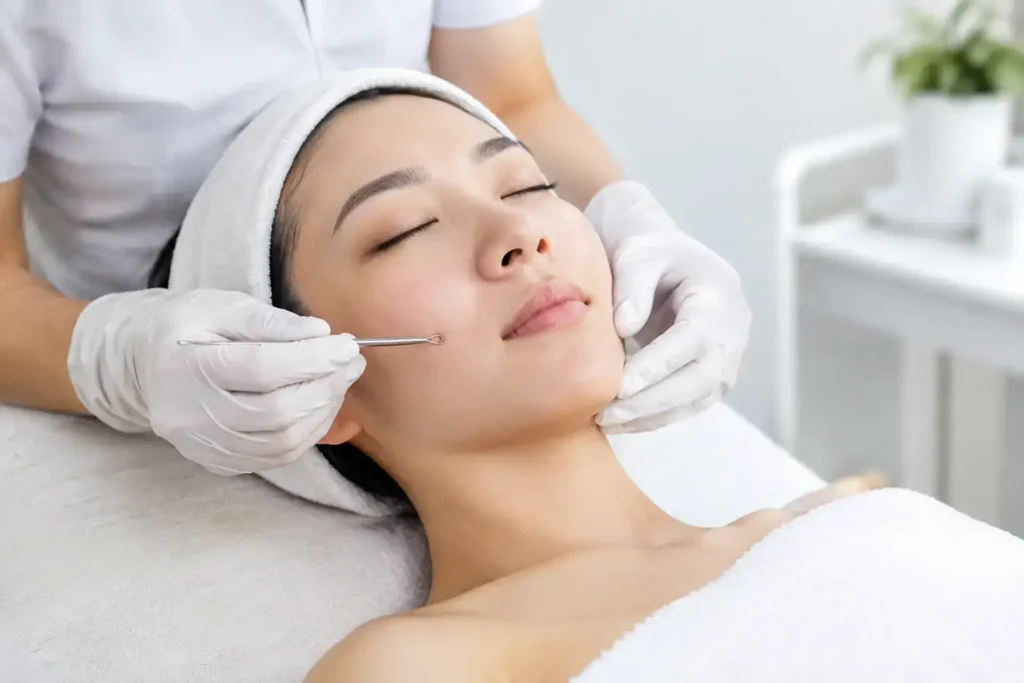
A therapist uses hygienic techniques, appropriate pressure and, where suitable, a sterilised extraction tool to release congestion. The aim is never to leave skin sore or overworked. The aim is to remove what can be lifted safely and leave the rest to settle with the right treatment plan.
This distinction matters. Inflamed acne spots, deep painful bumps and cystic breakouts should not be forcefully extracted. These concerns can carry a higher risk of irritation, infection and post-inflammatory marks. In such cases, a therapist may focus on calming care, hydration and barrier support, or advise speaking with a medical professional where appropriate.
Why professional extractions feel different from DIY squeezing
At home, it is tempting to examine every bump closely and press until something appears. Unfortunately, pressure from fingernails can injure the surrounding tissue, push debris further into the skin and spread bacteria. The result may be prolonged redness, broken skin or a mark that remains long after the original blackhead has gone.
A professional treatment begins with preparation. Skin is cleansed, assessed and softened before any extraction is attempted. A trained therapist also knows when to stop. Not every pore needs clearing in one session, and trying to achieve an entirely poreless appearance is neither realistic nor kind to your skin.
Pores are a normal part of healthy skin. Sebaceous filaments, especially on the nose, can look like tiny grey or cream-coloured dots, but they are not necessarily blackheads. They help move sebum through the pore and will naturally return. Repeated aggressive extraction is not the answer.
Your guide to the facial extraction process at a treatment appointment
A reassuring facial should feel considered from the first consultation, not rushed or uncomfortable. Although the exact steps vary according to your skin condition and chosen facial, this is what a thoughtful extraction session generally involves.
Consultation and skin analysis
Your therapist should ask about sensitivity, active breakouts, medication, recent aesthetic procedures and the products you use at home. Retinoids, exfoliating acids and certain acne treatments can make skin more reactive, so this information helps determine whether extraction is suitable that day.
The skin analysis looks beyond what is visible at first glance. Congestion may sit alongside dehydration, oiliness, sensitivity or uneven texture. A person with oily skin can still have a compromised barrier, while dry-feeling skin can still develop blocked pores. This assessment shapes the pressure, treatment products and number of areas addressed.
Cleansing and softening the skin
The face is thoroughly cleansed to remove make-up, sunscreen, surface oil and daily pollution. Depending on the facial, gentle exfoliation, warm towels or steam may be used to soften surface build-up and make extractions more comfortable.
Steam is not essential for every client. Those with easily flushed skin, rosacea-prone skin or high sensitivity may be better served with gentler softening methods. Comfort should always take priority over a one-size-fits-all routine.
Controlled extraction
The therapist works methodically, usually concentrating on areas such as the T-zone, chin or jawline where congestion is most evident. Clean gauze, gloved fingers or a sanitised tool may be used. You may feel brief pressure, but sharp pain is a signal to speak up.
Only congestion that releases with reasonable pressure should be removed. A skilled therapist will leave stubborn, deep or inflamed lesions alone rather than chase them. This restraint is one of the clearest signs of professional care.
Soothing, hydration and protection
After extractions, the skin benefits from calming products that reduce the feeling of heat or tightness. A hydrating mask, gentle massage around non-treated areas, targeted serum or cooling finish may be selected to restore comfort. The facial should end with moisturiser and daytime sun protection, particularly in Singapore’s strong UV conditions.
At Eros Beauty and Wellness, facial care can be tailored around both visible congestion and the wider needs of your skin, so the experience remains restorative rather than simply intensive.
Who may benefit from facial extractions?
Extractions can be helpful if you regularly notice blackheads, closed comedones, uneven texture or congestion that does not improve with gentle cleansing alone. They may also suit those preparing for an occasion and wanting skin to look smoother, provided treatment is booked with enough time for any temporary redness to settle.
However, extractions are not automatically right for everyone. It may be best to postpone or modify treatment if you have active inflamed acne, sunburn, eczema flare-ups, open cuts, a cold sore outbreak, or have recently undergone a peel, laser procedure or injectable treatment. Pregnancy, prescribed skincare and certain health conditions should also be discussed during consultation.
If your breakouts are frequent, painful or leave scars, professional extraction may be only one small part of the picture. A long-term plan could include appropriate home care, changes to over-exfoliation habits and medical guidance when necessary.
Aftercare that helps skin recover beautifully
Slight pinkness and tenderness can occur after extractions, particularly on the nose and chin. This should usually settle within hours to a day, depending on your skin sensitivity and the amount of congestion treated.
For the next 24 to 48 hours, keep your routine simple. Use a mild cleanser, a comforting moisturiser and sunscreen in the daytime. Avoid scrubs, strong acids, retinoids, facial waxing and picking at the skin. Heavy make-up is best avoided on the day of treatment if possible, especially when pores have been freshly cleared.
Try not to touch your face unnecessarily. Hands, mobile phones and pillowcases can transfer oil and bacteria back onto vulnerable skin. If you exercise heavily, cleanse gently afterwards rather than allowing sweat and product residue to sit for hours.
You may notice that the skin looks clearer straight away, but lasting improvement comes from consistent maintenance. Cleansing thoroughly at night, wearing sunscreen daily and using products suited to your skin type can reduce the conditions that allow congestion to build again. Over-cleansing and harsh exfoliation often create more problems by disrupting the barrier and triggering irritation.
How often should you have a facial extraction?
There is no single schedule that suits every complexion. For some, a facial every four to six weeks fits naturally with the skin renewal cycle and helps manage recurring congestion. For others, seasonal appointments or occasional maintenance sessions are enough.
The best frequency depends on oil production, product use, lifestyle, sensitivity and how quickly your pores become blocked. More often is not always better. If skin is looking calm and clear, regular hydration-focused facials and a considered home routine may be more beneficial than frequent intensive extraction.
A thoughtful facial extraction process should leave you feeling cared for, not challenged to endure discomfort. Choose a treatment environment where your concerns are heard, your skin is assessed honestly and your comfort guides every step. Taking time for yourself can be practical as well as indulgent: healthy-looking skin often begins with patient, professional care.