


Uncategorized
How to Reduce Facial Puffiness for a Fresher Look
Aug
You may notice it first when your usual earrings feel less flattering, your eyes appear smaller than usual, or your face looks fuller in the mirror after a late dinner. Knowing how to reduce facial puffiness can make a meaningful difference to how refreshed, comfortable and confident you feel – especially before work, a social occasion or an important photograph.
Facial puffiness is often temporary. It can be influenced by sleep, salty foods, alcohol, hormonal changes, heat, allergies, stress and even the way you sleep. The most effective approach is rarely one dramatic fix. Gentle circulation support, consistent hydration and a few thoughtful daily habits usually offer more reliable, natural-looking results.
Why does facial puffiness happen?
Puffiness occurs when fluid collects in the tissues beneath the skin. The eye area is particularly prone because its skin is delicate and the surrounding tissue is fine. In Singapore’s warm, humid climate, long days in air-conditioned spaces, rich meals and insufficient rest can all contribute to a face that looks tired or swollen the next morning.
A salty supper may cause the body to retain more water overnight. Alcohol can leave you dehydrated, prompting your body to hold on to fluid. Poor sleep may affect circulation and make the under-eye area look more noticeable. For some people, sinus congestion, seasonal allergies or hormonal fluctuations also play a part.
This does not mean you need to restrict every enjoyable meal or follow an extreme routine. The aim is to recognise your common triggers and give your skin and body the supportive care they need.
How to reduce facial puffiness in the morning
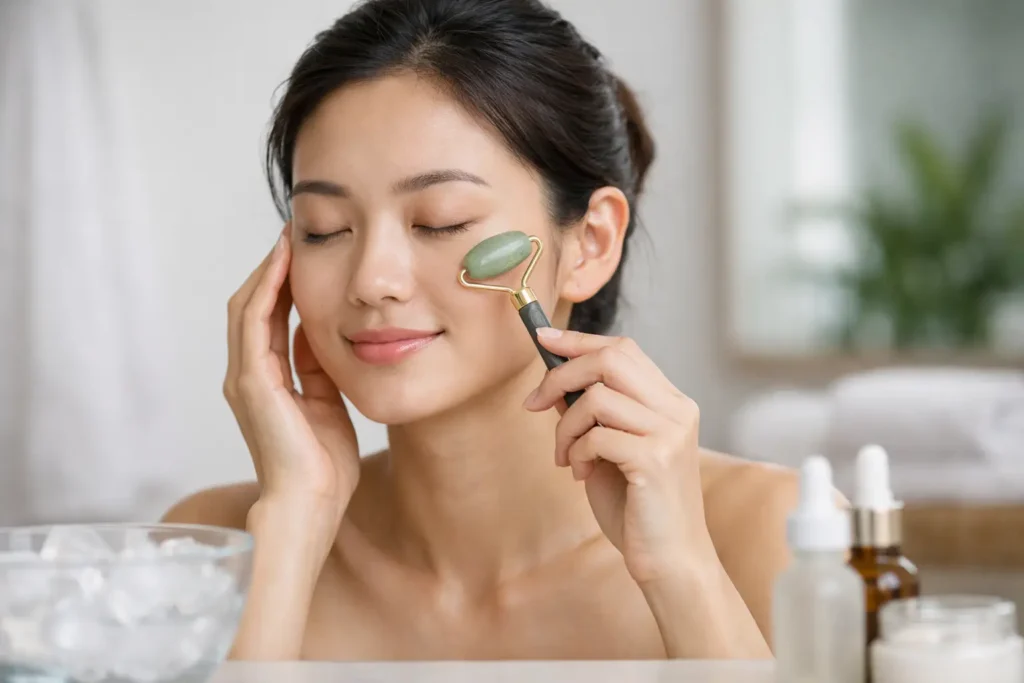
Start gently. A cool compress over closed eyes or across the cheeks for a few minutes can help your face feel more awake. Avoid applying ice directly to the skin, as this can be uncomfortable and may irritate sensitive areas. Instead, use a clean, cool cloth or chilled skincare tools that have been used with a light hand.
Follow with a simple facial massage. Apply a moisturiser or facial oil that gives your fingers enough slip, then use light strokes from the centre of the face outwards. Move from the sides of the nose towards the cheeks, then sweep from the jawline towards the ears. Around the eyes, use your ring finger and the gentlest pressure possible, moving from the inner corner beneath the eye outwards.
The purpose is not to press hard or force a dramatic contour. A few calm minutes can support circulation, ease the feeling of morning heaviness and create a more rested appearance. If your skin becomes red, sore or tingly, stop and reduce the pressure next time.
A refreshing cleanse and a hydrating serum can also help your complexion look brighter. Choose skincare that suits your skin type rather than over-cleansing in an attempt to tighten the face. Skin that is stripped of moisture can become uncomfortable and may look less smooth.
Try a little movement before your first coffee
A short walk, some light stretching or a few minutes of gentle mobility can be surprisingly helpful after waking. Movement supports overall circulation and can shift that sluggish, heavy feeling that often accompanies a puffy face.
Drink a glass of water as well. This is not an instant cure, but steady hydration throughout the day supports normal fluid balance better than trying to make up for it with large amounts of water all at once.
Daily habits that help your face look less puffy
Sleep is one of the most overlooked parts of facial maintenance. Aim for a regular sleep schedule where possible, particularly after busy workdays. Sleeping with your head slightly elevated may help if you regularly wake with noticeable under-eye swelling. A supportive extra pillow can be enough, provided it does not strain your neck.
Watch patterns around evening meals. You do not need to avoid salt entirely, but highly processed foods, soups, sauces and late-night snacks can add up. On evenings before an event, choose a balanced meal with vegetables, protein and less heavily salted options. Give yourself time to digest before lying down.
Alcohol is another common factor. If you choose to drink, alternate with water and avoid treating a dehydrating evening with aggressive skincare the next morning. Prioritise rest, hydration and a gentle routine instead.
Stress can show up on the face as much as it does in the shoulders. Jaw clenching, shallow breathing and long hours at a desk may leave you feeling tense and less refreshed. A relaxing massage, a quiet walk or a few slow breaths between appointments can support your wider sense of wellbeing, which often shows in your complexion too.
Facial massage and professional care
At-home massage is useful for everyday maintenance, but professional care can be valuable when you want a more intentional reset. A facial treatment can combine thorough cleansing, hydration and therapist-led massage in a calm setting, helping you take time for yourself while addressing the appearance of dullness and fatigue.
For clients who carry tension around the forehead, cheeks or jaw, techniques inspired by facial acupressure and Bojin-style massage may feel especially restorative. The experience should always be tailored to your comfort level, skin condition and personal goals. A good therapist will explain what they are doing, check in on pressure and avoid a one-size-fits-all approach.
Eros Beauty and Wellness offers facial and wellness treatments designed to support a refreshed, cared-for appearance, whether your concern is dehydrated-looking skin, facial tension or a complexion that needs a little more radiance. For best results, think of professional treatments as part of regular maintenance, alongside sensible home care, rather than a replacement for sleep and healthy routines.
What not to do when your face is puffy
It can be tempting to scrub, pinch or use intense massage in the hope of seeing a quick change. This can backfire, particularly if you have sensitive, reactive or acne-prone skin. Avoid harsh exfoliation, aggressive facial tools and strong pressure around the eyes.
Be cautious with products that promise instant dramatic changes. A cooling gel or a well-formulated eye product may make the area feel more comfortable and hydrated, but no topical product can permanently reshape facial structure overnight. Realistic expectations protect both your skin and your confidence.
If puffiness follows a new skincare product, stop using it and return to a simple, familiar routine. Fragrance, active ingredients or even a product that is too rich for your skin can sometimes cause irritation or congestion.
When facial puffiness needs medical advice
Most facial puffiness after a poor night’s sleep or a salty meal settles on its own. However, persistent swelling, sudden swelling, pain, a rash, breathing difficulty, swelling on one side of the face, or puffiness following an injury should be assessed by a medical professional promptly. The same applies if you suspect an allergic reaction.
Professional beauty care can support the look and feel of your skin, but it should never replace medical advice for symptoms that are unusual, severe or ongoing.
A calmer approach brings better results
The best answer to facial puffiness is often consistency rather than urgency: sleep a little better, drink water regularly, be mindful of late-night salt and alcohol, and use gentle touch instead of harsh techniques. When you give your face the same thoughtful maintenance you give the rest of your wellbeing, a fresher, more comfortable-looking complexion can become part of your everyday routine.