


Uncategorized
Best Massage for Tired Legs: What Works?
Oct
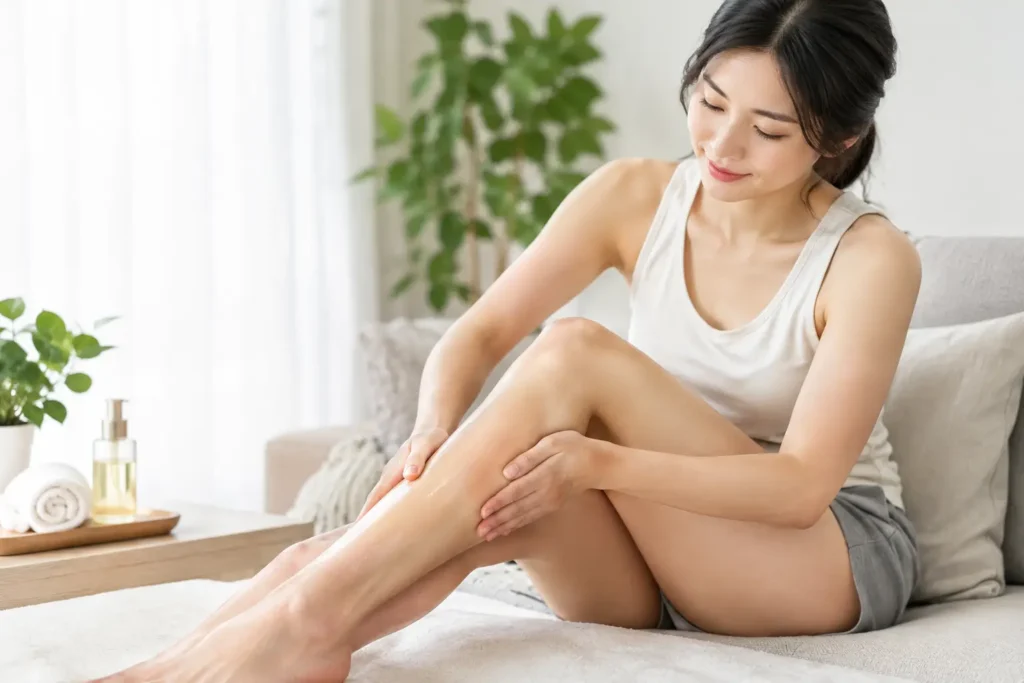
After a long day on your feet, even a short walk from the MRT can feel demanding. Your calves may feel tight, your feet heavy and your legs oddly restless by bedtime. The best massage for tired legs is not always the strongest one. It is the treatment that addresses the reason your legs feel fatigued, while leaving you calmer, lighter and comfortable enough to return to your routine.
For many people in Singapore, tired legs are part of everyday life. Long hours at a desk, standing during work, commuting, exercise and warm, humid weather can all contribute to that familiar sense of heaviness. A thoughtful massage can help release muscular tension, encourage relaxation and create a much-needed pause in a busy week.
What causes tired, heavy legs?
Leg fatigue is often a combination of several small stresses rather than one single problem. Standing for extended periods can make the calves and soles of the feet feel overworked. Sitting for too long may leave the hips and thighs stiff, which can alter how comfortably you walk. A demanding workout, high heels, dehydration or poor sleep can add to the strain.
The feeling matters because it affects more than your legs. When your lower body is tense, you may compensate through your back, shoulders or posture. You might also find it harder to unwind in the evening. Massage is not a cure for every cause of leg discomfort, but it can be a valuable form of regular body maintenance when the issue is muscular fatigue, everyday tension or the need to rest.
The best massage for tired legs depends on how they feel
There is no single technique that suits everyone. The right pressure and treatment style should reflect whether your legs feel sore after activity, stiff from inactivity, generally heavy, or simply in need of restorative care.
Relaxing massage for all-over fatigue
A relaxing massage is often the best starting point when your legs feel tired alongside general stress. Long, flowing strokes through the thighs, calves and feet help settle the nervous system while gently easing superficial muscular tightness. This approach is particularly suited to those who feel drained after a demanding work week and prefer a soothing experience over intense pressure.
The benefit is not only physical. When the body moves out of its constant ‘on’ mode, muscles often soften more readily. You may leave with legs that feel less weighed down and a mind that feels quieter too. For regular self-care, a relaxing massage can be an excellent choice.
Meridian massage for persistent tightness
If your calves, thighs or feet feel consistently tense, a meridian-focused massage may offer a more targeted experience. This style works along the body’s energy pathways and pressure points, using considered techniques to release areas that feel blocked, tight or sluggish.
Pressure should be purposeful, not overwhelming. Some points may feel tender, especially when the lower body has been carrying stress for a long time, but your therapist should adjust the intensity to your comfort. A good treatment leaves you feeling restored, not bruised or depleted the next day.
Meridian massage can be especially appealing when tired legs come with a sense of whole-body fatigue, stiffness around the hips or a desire for deeper wellness support. Consistent sessions may complement healthy movement, stretching and recovery habits.
Body Bojin for deeper muscle release
For more pronounced muscular tightness, Body Bojin can provide a deeper, more focused approach. This treatment uses specialised techniques to work through areas of tension and support circulation and body conditioning. It may be helpful for people whose legs feel knotted after frequent exercise, prolonged standing or repeated physical strain.
Depth is a trade-off. A firmer treatment can feel effective when the muscles are tight, but it is not automatically better. If you are new to deeper bodywork, have very sensitive skin or are recovering from a particularly demanding week, ask for a gradual approach. Your comfort and recovery should guide the session, not a belief that massage must hurt to work.
Foot and calf work for tired legs after standing
Sometimes the tiredness begins at the ground level. Tight soles of the feet can affect the calves, while calf tension can make the ankles and knees feel less comfortable. A treatment that gives proper attention to the feet and lower legs can be particularly rewarding for retail staff, healthcare workers, teachers, travellers and anyone who spends much of the day standing.
Focused foot and calf massage can help ease that ‘walking on heavy legs’ feeling. Let your therapist know if you have a specific area that feels overworked, such as the arches, Achilles area, shins or outer calves. Clear feedback helps shape a treatment that feels personal rather than routine.
How to choose the right pressure
The best pressure is one your body can receive without guarding against it. If you find yourself holding your breath, tensing your shoulders or bracing your leg, the pressure is probably too much. Gentle-to-medium pressure is often ideal for stress-related fatigue, while moderate pressure may suit well-conditioned muscles that feel tight after activity.
Communication is part of professional care. Before your appointment, mention recent exercise, areas of soreness, any history of injury and whether you prefer a lighter or firmer touch. During the massage, speak up if an area feels sharp, numb or uncomfortable. A skilled therapist can adapt the rhythm, pressure and focus without losing the effectiveness of the treatment.
Make your massage results last longer
Massage feels most beneficial when it is supported by small, realistic habits afterwards. Drink water as you normally would, particularly if you have spent the day in air-conditioning or outdoors. Take a gentle walk rather than immediately sitting for hours, and avoid scheduling an unusually strenuous workout straight after a deep treatment.
At home, spend a few minutes moving your ankles in circles and stretching the calves against a wall. If you sit at work, stand and change position regularly rather than waiting until your legs feel uncomfortable. Comfortable footwear also makes a meaningful difference, especially on days with plenty of walking.
For recurring fatigue, regular appointments are usually more helpful than one intense session every few months. The right frequency depends on your lifestyle, activity level and budget. Some people enjoy a monthly relaxation ritual, while others benefit from a more focused course during periods of high stress or physical demand.
When tired legs need medical advice
Massage is designed for wellness and muscular comfort, but some symptoms should not be treated as ordinary fatigue. Seek prompt medical advice if one leg becomes suddenly swollen, red, hot or painful, or if you experience unexplained severe pain, chest discomfort or shortness of breath. These signs need proper assessment rather than massage.
It is also wise to speak with a healthcare professional before booking if you have a circulation condition, recent surgery, a blood-clotting concern, uncontrolled diabetes, active skin infection or a new injury. A responsible therapist will welcome this information and help you choose an appropriate treatment, or advise you to postpone it where necessary.
A more restorative way to care for your legs
Your legs support every meeting, errand, workout and family commitment in your day. Giving them focused care is not an indulgence reserved for special occasions. It is a practical way to feel more comfortable in your body and more present in your life.
At Eros Beauty and Wellness, a consultation-led approach can help you choose between relaxing massage, Meridian Massage or more focused body care according to how your legs feel on the day. With convenient outlets in Bugis, Rochor, Novena and Ang Mo Kio, taking time for yourself can fit more naturally into your regular routine. Start with the treatment that feels right for your current needs, then allow your body to show you what consistent care can do.