


Uncategorized
Relaxing Massage Versus Sports Massage Choices
Oct
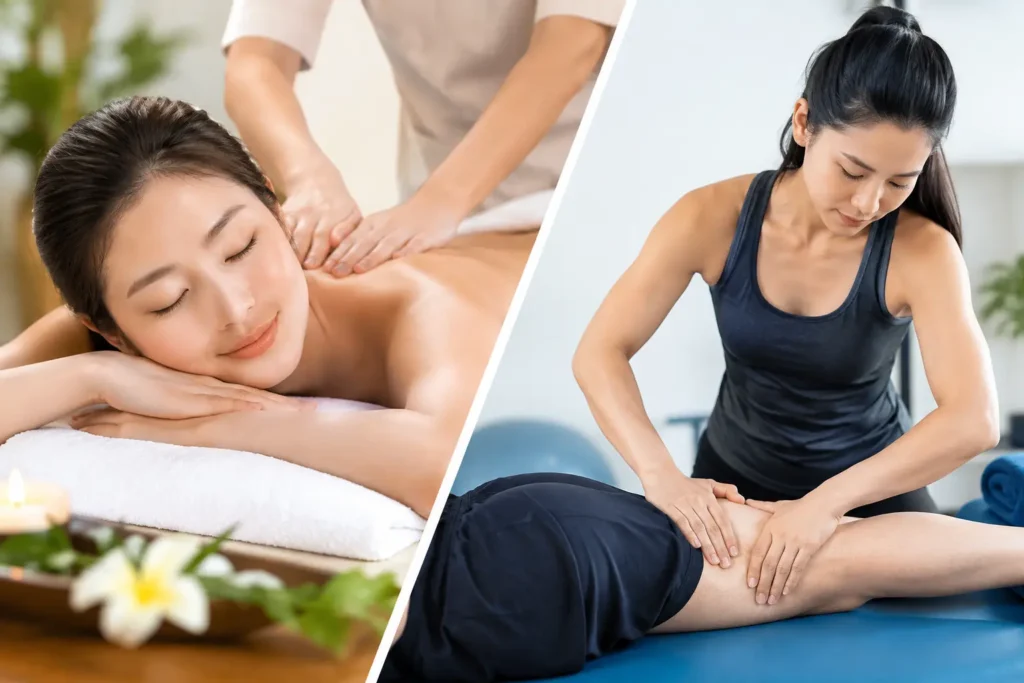
A stiff neck after a long day at the desk calls for a different kind of care from a tight calf after a weekend run. Understanding relaxing massage versus sports massage helps you choose a treatment that feels good in the moment and supports what your body actually needs next. One is designed to settle the nervous system and ease everyday tension; the other is more targeted, with the aim of helping active or overworked muscles recover and move more freely.
Neither option is automatically better. The right choice depends on your current discomfort, activity level, tolerance for pressure and the outcome you hope to feel when you leave the treatment room.
Relaxing massage versus sports massage: the main difference
A relaxing massage is centred on comfort, calm and full-body release. Therapists generally use flowing strokes, kneading and gentle to moderate pressure to encourage circulation, soften surface tension and create a deeply restorative experience. It is often the treatment people seek when their shoulders feel heavy, their sleep has been poor or their mind has been racing from work and family commitments.
Sports massage is more functional and focused. It is usually tailored around specific muscles, movement patterns or areas that are working harder than they should. The therapist may use firmer pressure, slower techniques and targeted work on tight bands of tissue. The intention is not simply to feel relaxed, although many clients do afterwards. It is to support recovery, flexibility and physical readiness.
Think of relaxing massage as a nourishing reset for your whole system. Sports massage is closer to maintenance for a body that trains, repeats physical tasks, sits for long periods or is managing recurring muscular tightness.
What a relaxing massage feels like
A relaxing massage should invite your body to let go rather than brace against the pressure. The pace is unhurried, the touch is rhythmic and the treatment commonly covers broad areas such as the back, shoulders, arms, legs and scalp. You may feel sleepy, warm or pleasantly light afterwards.
For many people in Singapore, this type of massage is especially welcome after long hours at a computer, commuting, caring for family or dealing with constant mental demands. Stress does not stay only in the mind. It often appears as raised shoulders, a clenched jaw, shallow breathing and a dull ache across the upper back.
The benefits can include a greater sense of calm, temporary relief from general muscle tension, improved body awareness and better readiness for rest. It is also an excellent self-care choice when you cannot point to one injury or problem area, but know that you have not felt properly restored for some time.
Pressure still matters. Relaxing does not have to mean very light, and a skilled therapist can work more deeply in areas such as the shoulders or lower back without turning the session into an intense corrective treatment. The key is that you should be able to breathe comfortably and feel safe enough to soften.
What a sports massage feels like
Sports massage begins with a clearer purpose. Your therapist may ask about your training routine, work habits, past injuries, recent activity and the movements that trigger discomfort. This conversation matters because tightness in one area can be linked to how another part of the body is moving or compensating.
During the treatment, you may notice more concentrated pressure on places such as the calves, hamstrings, glutes, upper back, forearms or hip area. The therapist might spend longer on one side of the body, work around a particularly tense muscle group or use techniques that feel more deliberate than soothing. It should be productive, not punishing.
Some tenderness can be normal, especially when muscles are already tight. However, sharp pain, pins and needles, numbness or a feeling that you need to hold your breath are signals to speak up immediately. More pressure is not always more effective. Good sports massage respects your body’s response and adjusts the approach accordingly.
The treatment may help ease the sensation of stiffness, support range of movement and encourage recovery after demanding activity. It can suit runners, gym-goers, dancers and people with physically active jobs. It may also be helpful for office workers whose posture and repetitive movements leave them with persistent shoulder, neck or hip tightness.
Timing matters for active bodies
Before an event, many people prefer a lighter, shorter sports-focused session that prepares rather than fatigues the muscles. Deep, intensive work immediately before a race, competition or strenuous workout may leave an area feeling temporarily tender.
After activity, the best timing depends on how your body feels and how hard you have trained. A gentle recovery session may be appropriate after exercise, while deeper work can be more comfortable once the immediate soreness has settled. If you have an acute injury, swelling, bruising or sudden severe pain, massage is not the first answer. Seek appropriate medical assessment before booking a treatment.
Which massage should you book?
Choose a relaxing massage when stress, tiredness and general body tension are your main concerns. It is ideal when you want to switch off, restore a sense of balance and leave feeling cared for from head to toe. It can be a valuable regular ritual, not merely an occasional treat, particularly when a busy schedule has made rest feel out of reach.
Choose sports massage when you have a specific physical goal. Perhaps your calves feel restricted after increasing your running distance, your upper back is tight from strength training, or your hips feel uncomfortable after hours of sitting. Be ready to share the details. The more clearly you describe your daily movement, activity level and discomfort, the more precisely the treatment can be tailored.
There is also a middle ground. Someone who works at a desk, exercises two or three times a week and carries stress in the shoulders may benefit from a treatment that begins with soothing full-body work and gives extra attention to problem areas. You do not need to fit neatly into one category. Your therapist can help balance relaxation with targeted care.
How to get better results from either treatment
Arrive a few minutes early so you do not carry the rush of the day straight into your session. Before treatment begins, be open about recent exercise, medications, health conditions, pregnancy, injuries and sensitive areas. This information allows your therapist to work more safely and comfortably.
During the massage, communicate simply and honestly. Say if the room feels too cool, if the pressure needs adjusting, or if one area is more tender than expected. A professional treatment is collaborative. Silence can be restful, but feedback helps the therapist provide care that is right for you.
Afterwards, drink water, move gently and give yourself a little breathing space before returning to a packed schedule. You may feel relaxed immediately after a calming massage, while focused sports work can leave the muscles feeling more noticeable for a day or so. Gentle walking and normal, comfortable movement are often preferable to complete inactivity.
For ongoing tension, one session can offer welcome relief, but consistency often brings the clearest improvement. Combining massage with regular stretching, sensible training progression, better desk posture and adequate sleep gives your body a stronger foundation than relying on last-minute fixes alone.
When massage needs extra care
Massage can be a supportive wellness treatment, but it does not replace medical care. Tell your therapist if you have a health condition affecting circulation, uncontrolled high blood pressure, osteoporosis, diabetes with reduced sensation, recent surgery, varicose veins, skin irritation or an ongoing injury. A qualified therapist can advise whether the treatment should be modified, postponed or cleared with your doctor first.
Avoid massaging areas with acute inflammation, fever, infection, open wounds, unexplained swelling or a suspected fracture. If pain is sudden, worsening or accompanied by weakness, persistent numbness or chest discomfort, seek medical attention rather than trying to massage through it.
At Eros Beauty and Wellness, a thoughtful consultation can help shape your session around whether you need a quiet reset, focused muscular support or a considered combination of both. Take time for yourself, listen to what your body has been signalling, and choose care that leaves you feeling more comfortable in your everyday movement.